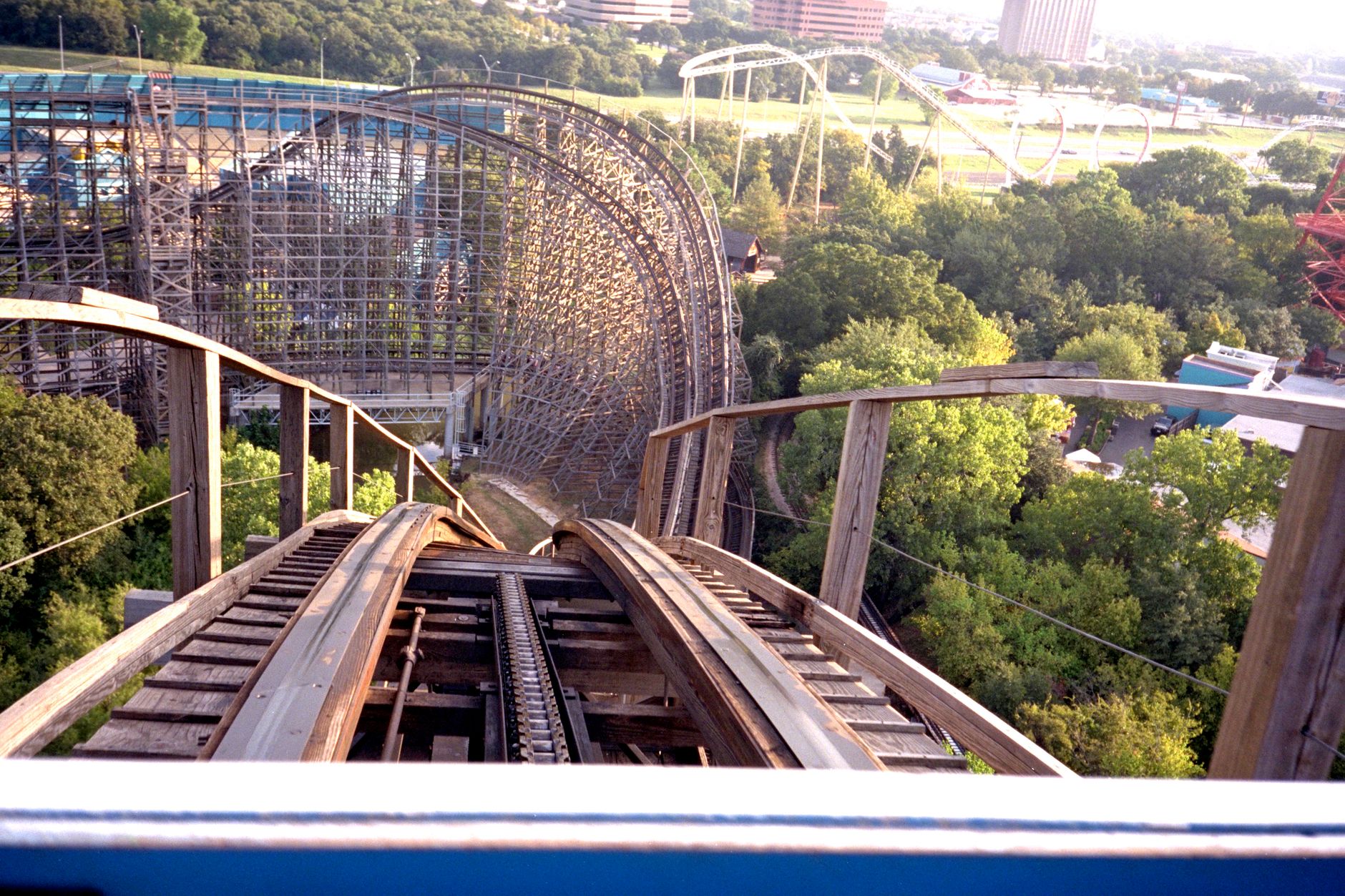
The Six Flags roller coaster death has sparked significant debate about safety regulations in amusement parks. Critics are now calling for federal oversight to ensure such tragedies do not happen again.
Understanding the Incident
On a fateful day at a popular amusement park, a tragic incident occurred that has since raised significant concerns regarding safety regulations in the amusement park industry. The incident involved a beloved Six Flags roller coaster, where a rider lost their life due to a series of unfortunate events that are still being investigated. Eyewitness accounts suggest that the ride was functioning normally prior to the accident, raising questions about the mechanical safety checks that are standard practice.
In the wake of this incident, advocacy groups and concerned citizens have begun to call for stricter regulations and federal oversight of amusement parks across the country. Many argue that current state-level regulations are insufficient to ensure the safety of guests. The National Association of Amusement Ride Safety Officials has also emphasized the need for standardized safety protocols that must be adhered to by all parks.
As investigations continue, the focus remains on preventing future tragedies. The death of the rider has sparked a national conversation about safety practices, leaving families and communities seeking answers and accountability within an industry that thrives on providing joy and excitement.
The Response from Six Flags
In the wake of the tragic death at Six Flags, the amusement park chain has faced intense scrutiny from the public and regulatory bodies alike. Six Flags issued a statement expressing condolences to the family of the victim, highlighting their commitment to safety and guest well-being. The company emphasized that the ride had passed all safety inspections prior to the incident.
Despite their assurances, many are calling for enhanced oversight of amusement parks nationwide. Critics argue that current regulations are insufficient to prevent accidents like the Six Flags roller coaster death. In response, Six Flags has pledged to cooperate fully with investigations and to review their safety protocols. They stated, “The safety of our guests is our top priority, and we are deeply saddened by this event.”
Furthermore, Six Flags plans to host community meetings to address concerns and gather feedback from park visitors. Some advocates for amusement park safety are demanding that the federal government step in to establish stricter standards across the industry. As discussions continue, many are left wondering if significant changes will come to prevent future tragedies.
Calls for Increased Safety Regulations
The tragic incident involving a Six Flags roller coaster death has reignited the debate over safety regulations in amusement parks across the United States. Advocacy groups and safety experts are urging lawmakers to implement stricter oversight to prevent future accidents.
Many believe that the current regulations are insufficient to ensure the safety of riders. The National Association of Amusement Ride Safety Officials has proposed a series of reforms, including:
- Regular inspections: Increasing the frequency and thoroughness of ride inspections to catch potential hazards before they lead to accidents.
- Mandatory reporting: Requiring parks to report any incidents or malfunctions to a federal agency, creating a centralized database of safety issues.
- Training requirements: Establishing standardized training for ride operators and maintenance staff to enhance their understanding of safety protocols.
Critics argue that without federal oversight, amusement parks may prioritize profit over safety, potentially endangering guests. As calls for increased regulations grow louder, the future of amusement park safety hangs in the balance.
What Experts Are Saying
In the wake of the tragic incident at Six Flags, where a roller coaster death has raised serious concerns about amusement park safety, experts are calling for immediate action. Dr. Emily Thompson, a leading safety analyst, emphasizes the need for enhanced regulations. “This incident highlights the gaps in safety protocols that can lead to catastrophic outcomes,” she states.
Additionally, Mark Johnson, a former amusement park safety inspector, argues that current state-level oversight is insufficient. “There should be a standardized federal approach to ensure that all amusement rides are rigorously tested and maintained,” he notes. As the investigation continues, experts suggest that comprehensive safety audits and stricter enforcement of existing regulations could prevent future tragedies.
Many in the industry agree that public awareness and advocacy are crucial. Lisa Green, a safety advocate, urges the public to demand accountability from park operators. “If we don’t push for change now, we risk more lives,” she warns. The Six Flags roller coaster death has become a rallying cry for those seeking safer amusement park experiences for all patrons.
Historical Context of Roller Coaster Safety
The history of roller coaster safety has been marked by both thrilling advancements and tragic incidents. As amusement parks across the United States have evolved, so too have the safety standards governing roller coasters. However, the Six Flags roller coaster death has reignited discussions about the adequacy of current regulations.
In the early days of amusement rides, safety measures were minimal, often leading to accidents that caused injuries or fatalities. Over the decades, numerous high-profile incidents prompted the industry to adopt stricter safety protocols. Organizations such as the American Society for Testing and Materials (ASTM) have established guidelines aimed at ensuring ride safety.
Despite these efforts, incidents still occur, raising concerns about whether existing regulations are enough. Some critics argue that safety oversight should be more uniform across states, as regulations can vary significantly. The recent tragedy at Six Flags has brought these issues to the forefront, with advocates calling for a federal mandate to ensure consistent safety measures in all amusement parks.
As the conversation continues, it is clear that the history of roller coaster safety is not just about thrilling experiences but also about protecting lives.
Public Reaction to the Tragedy
The tragic death at Six Flags has sparked a wave of public outrage and concern regarding the safety of amusement park rides. Many patrons and safety advocates are voicing their fears over the adequacy of current regulations and the oversight provided by both state and federal authorities.
Social media has become a platform for expressing grief and anger, as users share their thoughts on the incident. Comments reflect a mix of sorrow for the victim’s family and frustration with the amusement industry. A prominent theme in the discussions is the call for stronger federal oversight to ensure that safety standards are rigorously enforced.
- Safety First: Many argue that federal regulations should be implemented to prevent future tragedies.
- Accountability: Critics are demanding that amusement parks, like Six Flags, be held accountable for their safety practices.
- Public Trust: The incident has eroded trust in the amusement industry, with some families vowing to avoid such parks altogether.
The death at Six Flags has ignited a critical conversation about the necessity of enhanced safety measures, highlighting a growing demand for change in an industry often seen as lacking sufficient oversight.
Future of Amusement Park Oversight
As discussions continue surrounding the recent Six Flags roller coaster death, the focus has shifted towards the future of amusement park oversight in the United States. Advocates for improved safety regulations argue that the current state of oversight is insufficient, often leaving the responsibility to individual states and park operators.
Many industry experts believe a centralized approach is necessary to ensure uniform safety standards across all amusement parks. They suggest that federal oversight could help regulate the maintenance and operation of rides more effectively. This would not only enhance rider safety but also restore public trust in these entertainment venues.
Critics point out that incidents like the recent tragedy at Six Flags highlight the potential dangers of the status quo, where safety regulations can vary significantly from one state to another. A cohesive federal framework could establish clear guidelines for ride inspections, operator training, and emergency response protocols.
Supporters of federal oversight are calling for a comprehensive review of existing laws and regulations governing amusement parks. They argue that the safety of millions of park visitors should take precedence over the interests of the amusement park industry.
The recent Six Flags roller coaster death has sparked a nationwide conversation about safety regulations in amusement parks. Advocates are urging lawmakers to implement stricter guidelines to prevent future incidents like the Six Flags roller coaster death.
Photo by ROBERT MORROW on Pexels
Where this came from
Related stories
Alaska Senate debate: The Right Takeaways from Peltola vs Sullivan · Top Stories Today: The Best Highlights You Can’t Miss · Fine Rice Price Drops: Proven Relief for Consumers



2 thoughts on “Six Flags roller coaster death: Calls for Federal Oversight”