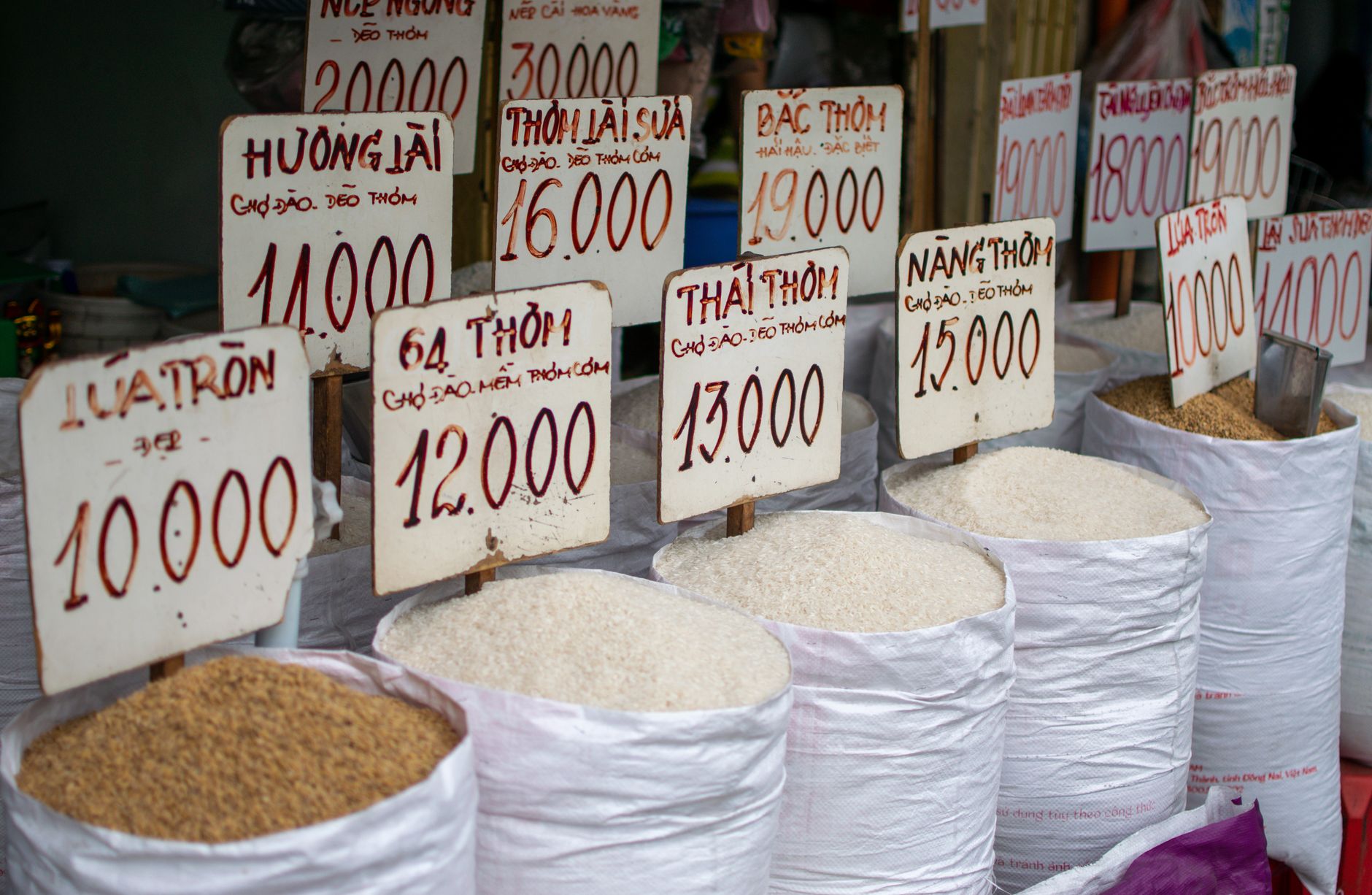
Fine rice price is set at Rs 30/kg in Tamil Nadu, providing relief as market rates soar to Rs 85. This government initiative aims to ease the burden on consumers.
Current Rice Prices in Tamil Nadu
In Tamil Nadu, the price of fine rice has become a significant concern for consumers as it soared to Rs 85 per kilogram in the open market. This sharp increase has prompted the state government to intervene, leading to the announcement of selling fine rice at a subsidized price of Rs 30 per kilogram. This move aims to provide relief to households struggling with the rising cost of essential food items.
The current situation has led to various discussions regarding the implications of these price changes on the local economy and consumer behavior. Many families are now reliant on government-subsidized rice to meet their daily dietary needs, as the fine rice price continues to fluctuate in the market.
Some key points to consider regarding the current rice prices in Tamil Nadu include:
- The open market price has increased significantly, causing distress among consumers.
- The government’s initiative is a response to rising inflation and food security concerns.
- The price drop to Rs 30/kg is expected to ease the financial burden on low-income families.
As the situation develops, consumers are hopeful that these measures will stabilize the fine rice price and ensure access to affordable food options.
Government’s Response to Rising Prices
The government of Tamil Nadu has taken significant measures in response to the soaring prices of fine rice in the open market, which have reached alarming rates of Rs 85 per kilogram. To alleviate the burden on consumers, the Vijay government has announced a strategic plan to sell fine rice at a subsidized rate of Rs 30 per kilogram.
This decision is part of a broader effort to ensure food security and provide relief to households struggling with the rising cost of living. The government aims to make fine rice accessible to all, particularly low-income families who are disproportionately affected by price hikes.
In addition to the subsidy, the government is implementing a series of initiatives to stabilize the market. These include:
- Monitoring Supply Chains: Enhanced oversight of the rice supply chain to prevent hoarding and price manipulation.
- Increasing Stock Levels: Boosting the stock of fine rice in government warehouses to ensure availability.
- Public Awareness Campaigns: Educating consumers on their rights and available resources to access subsidized rice.
Through these actions, the government hopes to curb the fine rice price surge and provide proven relief for consumers across the state.
Impact on Consumers
The recent drop in the fine rice price has brought significant relief to consumers in Tamil Nadu. With the government stepping in to sell fine rice at Rs 30 per kilogram, many families are now able to manage their grocery budgets more effectively. This move comes as a welcome change for those who were previously facing the burden of paying up to Rs 85 in the open market.
As families adjust to this new pricing, the impact can be seen in several areas:
- Increased Affordability: Households that rely heavily on rice as a staple food are finding it easier to purchase sufficient quantities without straining their finances.
- Enhanced Food Security: The reduction in fine rice price is expected to improve overall food security for vulnerable populations, allowing them to allocate funds toward other essential needs.
- Boost to Local Economy: With more consumers able to afford rice, local markets may see an uptick in sales, benefiting farmers and vendors alike.
Overall, the adjustments in fine rice pricing are proving to be a positive development for many consumers, easing financial pressures during challenging economic times.
Future of Rice Pricing in TN
The future of rice pricing in Tamil Nadu appears to be stabilizing, especially with the recent government intervention to sell fine rice at Rs 30 per kilogram. This decisive action comes as a response to the soaring prices that had reached as high as Rs 85 in the open market, placing immense pressure on consumers.
Experts suggest that the government’s pricing strategy could lead to a significant shift in the market dynamics of fine rice. This move is expected to not only alleviate the immediate burden on households but also encourage other states to adopt similar measures. The consistent supply of fine rice at a controlled price can help mitigate fluctuations in the market, which have been a cause for concern among consumers.
However, the sustainability of this pricing model remains a question. If the government continues to intervene effectively, it may pave the way for more stable fine rice prices in the future. On the other hand, if global rice prices escalate or local production faces challenges, the situation could change rapidly.
In summary, while the immediate relief is welcomed, stakeholders must remain vigilant about the long-term implications of these pricing strategies on both consumers and producers alike.
The recent decrease in the fine rice price has provided much-needed relief for consumers facing rising food costs. As a result, many households are now able to budget more effectively, thanks to the fine rice price drops.
Photo by Justin Brinkhoff on Pexels


2 thoughts on “Fine Rice Price Drops: Proven Relief for Consumers”