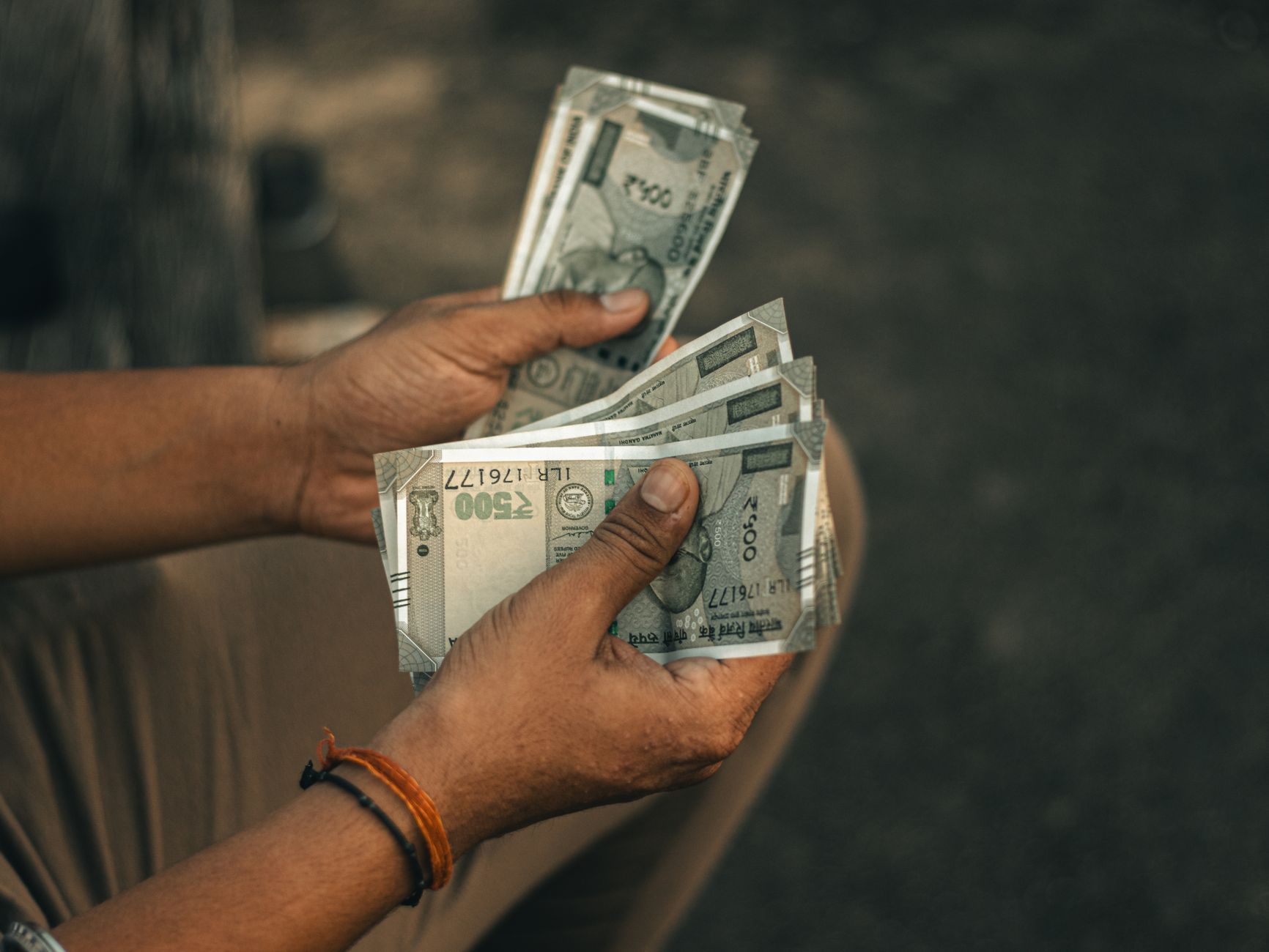
The 8th Pay Commission is generating excitement as it may offer significant benefits this Diwali. With potential DA hikes and arrears, many are hopeful for a financial boost.
What is the 8th Pay Commission?
The 8th Pay Commission is a newly proposed initiative aimed at revising the salary structures of government employees in India. This commission seeks to address the growing financial needs of employees and ensure that their remuneration keeps pace with inflation and the rising cost of living.
Historically, pay commissions are set up every 10 years, and the recommendations from these commissions play a crucial role in enhancing the financial stability of civil servants. The 8th Pay Commission is expected to introduce significant changes, including a potential hike in the Dearness Allowance (DA) and the provision of arrears, which together could lead to substantial increases in monthly salaries.
With the festive season approaching, many are wondering if the implementation of the 8th Pay Commission recommendations will serve as a double Diwali bonanza for government employees. Benefits could include:
- An increase in basic pay
- Enhanced pension benefits
- Improved allowances
These changes could significantly impact the financial well-being of millions during this festive period.
Expected DA Hike Details
The anticipation surrounding the 8th Pay Commission has sparked discussions about a potential hike in Dearness Allowance (DA). This increase is expected to provide considerable relief to government employees, especially with the festive season upon us.
According to sources, the following details about the expected DA hike are noteworthy:
- Percentage Increase: Analysts predict an increase of around 4% to 5% in DA, which would significantly boost monthly salaries.
- Implementation Date: If approved, the hike could be effective from January 2024, aligning with the fiscal year.
- Arrears: Employees may also receive pending arrears, which could amount to a substantial one-time payout.
- Impact on Budget: The government is assessing the fiscal implications of this increase, ensuring it aligns with economic stability.
As the 8th Pay Commission deliberates, many are hopeful that this DA hike will indeed be a delightful Diwali bonus for workers across the nation.
Impact on Government Employees
The announcement of the 8th Pay Commission has generated significant excitement among government employees, as it is expected to have a profound impact on their financial well-being. Many are eagerly anticipating the potential benefits that the commission may bring.
One of the most notable effects of the 8th Pay Commission is the proposed increase in salaries and allowances. The following points outline the anticipated changes:
- Enhanced basic pay structures, aimed at providing better compensation for employees.
- A significant hike in the Dearness Allowance (DA), which could improve the purchasing power of government staff.
- Potential arrears that may be paid out, creating a substantial one-time financial boost.
With these adjustments, many employees are considering how they will utilize their increased earnings. Some might save for future investments, while others could indulge in festive expenditures during the Diwali season. This raises the question: Could the 8th Pay Commission be the best Diwali bonanza ever for government workers?
Potential Arrears Calculation
The implementation of the 8th Pay Commission has sparked discussions surrounding potential arrears calculations for government employees. As the commission aims to revise salaries and allowances, many are eagerly anticipating the financial benefits that could accompany these changes.
Arrears are typically calculated based on the difference between the old and new pay scales, which means employees may receive substantial back pay for the period between the announcement and implementation of the new pay structure. This could lead to a significant windfall for many, especially if the proposed changes are favorable.
- Calculation Method: Arrears are calculated by applying the new pay scale retroactively.
- Estimated Amount: Depending on the salary structure, some employees may see arrears amounting to several months’ pay.
- Impact on Festivities: A timely disbursement of these arrears could potentially enhance celebrations this Diwali.
As discussions around the 8th Pay Commission continue, the prospect of these arrears adds an exciting element to the upcoming festival season.
Diwali Bonuses Explained
As the festive season approaches, the announcement surrounding the 8th Pay Commission has sparked discussions about potential Diwali bonuses for government employees. Traditionally, Diwali is a time for financial rewards, and this year could be particularly special, given the anticipated benefits stemming from the commission’s recommendations.
Many employees are eagerly awaiting the details of their bonuses, which could include substantial payouts thanks to the proposed Dearness Allowance (DA) hike and possible arrears. Here’s what employees can expect:
- DA Hike: The increase in DA is expected to provide immediate financial relief.
- Arrears: Payments for previous months could lead to significant one-time bonuses.
- Incentives: Additional incentives may be rolled out to further sweeten the deal.
With these potential bonuses, the 8th Pay Commission might just be delivering the best Diwali bonanza ever for government employees, allowing them to celebrate the festival with enhanced financial security and joy.
Public Reactions to the News
The announcement of the 8th Pay Commission has triggered a wave of excitement among government employees and their families. Many view this as an early Diwali gift, with hopes for substantial financial relief.
Public reactions have been overwhelmingly positive, with numerous individuals sharing their thoughts on social media. Some of the most common sentiments include:
- Increased optimism: Employees express confidence that the commission will lead to better financial stability.
- Anticipated celebrations: Many are looking forward to using the potential DA hike and arrears for Diwali festivities.
- Concerns over inflation: While excitement is high, some are cautious, noting that the increased pay may not fully offset rising living costs.
- Calls for transparency: A section of employees urges the government to ensure that the implementation process is clear and fair.
As the 8th Pay Commission discussions unfold, it seems that this Diwali could indeed be a significant moment of joy for many, with the promise of financial relief on the horizon.
Historical Context of Pay Commissions
The establishment of pay commissions in India has a long and significant history, serving as a mechanism to adjust salaries and allowances for government employees. The first pay commission was set up in 1947, shortly after independence, to address the salary structure of civil servants. Over the years, successive pay commissions have been formed to evaluate and revise pay scales to keep pace with inflation and changing economic conditions.
As we approach the 8th Pay Commission, it is essential to consider the historical context. The previous commissions, particularly the 6th and 7th, played a pivotal role in enhancing the financial well-being of government employees. These adjustments often resulted in substantial increases in salary and benefits, providing much-needed relief during festive seasons, such as Diwali.
With the impending announcement of the 8th Pay Commission, many are hopeful for another significant boost. The changes brought about by this commission could be the most impactful yet, offering employees not just a salary increase but also potential bonuses, thereby making this Diwali a remarkable one.
Future Implications for Salary Structures
The introduction of the 8th Pay Commission is poised to reshape salary structures across various government sectors. As the commission aims to address the rising cost of living and ensure fair compensation for public servants, the implications are extensive.
Firstly, the potential salary adjustments could significantly enhance the financial well-being of employees, enabling them to better manage their expenses. This could lead to a boost in consumer spending, positively impacting the economy during a crucial festive season.
Moreover, the recalibration of salary structures may set a precedent for future pay commissions. It raises questions about sustainability and the government’s fiscal capacity to continue accommodating such increases without compromising other essential services.
Additionally, the implementation of this commission may lead to a reevaluation of the pay scales in various sectors, as government employees advocate for parity with private sector salaries. This could potentially ignite discussions on wage reforms across the board.
Ultimately, the 8th Pay Commission may not only be a festive boon but also a pivotal moment in redefining compensation norms in the public sector.
Photo by Shantanu Kumar on Pexels

2 thoughts on “8th Pay Commission: Is This the Best Diwali Bonanza Ever?”