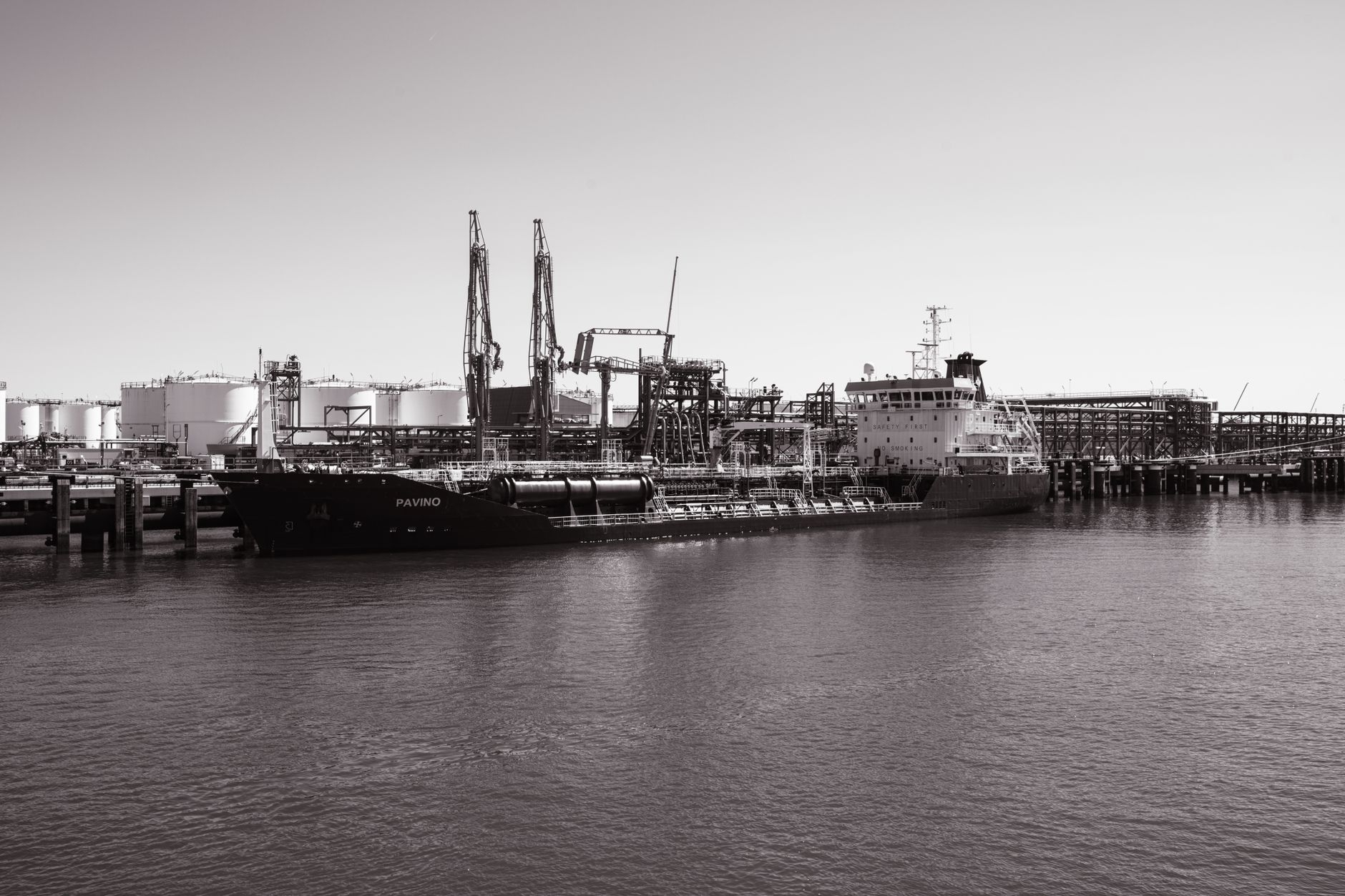
Russian oil imports are crucial for India as the country plans to maintain these levels despite geopolitical tensions. This decision reflects India’s strategic energy needs and economic considerations.
Impact of Sanctions on Oil Trade
The impact of sanctions on oil trade has been significant, especially in the context of Russian oil imports. Various countries have imposed restrictions aimed at curtailing the flow of Russian oil due to geopolitical tensions. However, India has navigated these challenges strategically.
Despite the sanctions, India has maintained its position as a major importer of Russian oil, leveraging the situation to secure favorable pricing and ensure its energy security. The following factors illustrate the resilience of India’s oil trade:
- Strategic Partnerships: India has strengthened its ties with Russia, ensuring a steady supply of oil.
- Market Demand: Growing energy needs in India necessitate continued imports.
- Geopolitical Considerations: India’s diplomatic stance allows it to operate effectively amidst sanctions.
As a result, Indian policymakers view Russian oil imports as a safe and proven strategy for energy sustainability.
India’s Energy Needs and Strategy
India’s energy landscape is evolving, and the country is strategically positioning itself to meet its growing energy demands. With increasing consumption, the need for reliable and cost-effective oil sources has never been more critical. In this context, Russian oil imports have emerged as a viable solution to ensure energy security.
The Indian government recognizes the importance of diversifying its energy sources, and Russian oil provides a stable supply amidst fluctuating global markets. The following factors highlight India’s approach:
- Cost-Effectiveness: Russian oil is often available at competitive prices, making it attractive for India.
- Stable Supply: Establishing long-term contracts ensures a steady flow of crude oil.
- Diverse Partnerships: Strengthening ties with Russia enhances geopolitical stability.
Overall, India’s strategy of leveraging Russian oil imports aligns with its long-term energy goals.
Current Status of Russian Oil Imports
The current status of Russian oil imports remains robust as India continues to prioritize its energy requirements amidst global market fluctuations. Despite the geopolitical tensions and sanctions imposed by Western nations, India has established a sustainable strategy for sourcing oil from Russia.
Recent reports indicate that India’s imports are expected to stay near current levels, emphasizing the nation’s commitment to diversifying its energy sources. This approach not only secures energy supply but also strengthens economic ties with Russia.
Key factors influencing this ongoing relationship include:
- Cost-effectiveness: Russian oil is often available at competitive prices.
- Reliability: Established trade routes and proven logistics enhance supply stability.
- Strategic partnerships: Strengthening bilateral ties fosters long-term cooperation.
Overall, Russian oil imports play a critical role in India’s energy strategy.
Geopolitical Implications of Oil Trade
The geopolitical implications of oil trade, particularly regarding Russian oil imports, have become increasingly significant in recent years. As nations navigate complex relationships and shifting alliances, the reliance on Russian oil has sparked debates on energy security and foreign policy.
India, recognizing its growing energy needs, has strategically positioned itself to benefit from Russian oil imports. This approach not only ensures a steady supply of energy but also strengthens economic ties with Russia amidst global tensions.
Moreover, the willingness of India to maintain these imports reflects a broader trend in which countries prioritize energy independence over geopolitical pressures. As a result, India is able to secure favorable pricing and enhance its negotiating power on the international stage, showcasing a pragmatic approach to its energy strategy.
Future of Oil Imports in India
As India navigates its energy landscape, the future of oil imports, particularly from Russia, appears promising. The country’s strong reliance on Russian oil imports is expected to continue, driven by the need for energy security and cost-effectiveness. A recent report indicates that India may maintain its Russian oil imports near current levels, reflecting a calculated approach amidst a shifting geopolitical climate.
Key factors influencing this decision include:
- Diversification of Supply: India aims to reduce dependence on any single source and has identified Russia as a reliable partner.
- Economic Considerations: Competitive pricing of Russian oil makes it an attractive option for Indian refiners.
- Long-term Partnerships: Strengthening ties with Russia could bolster India’s strategic interests in the region.
Ultimately, India’s strategy surrounding Russian oil imports aligns with its broader energy goals, ensuring a stable supply for the future.
Analysis of Global Oil Supply Trends
The global oil supply landscape is undergoing significant transformations, influenced by geopolitical tensions and shifting market dynamics. As various countries grapple with sanctions and trade restrictions, alternatives are being sought to maintain energy security. In this context, Russian oil imports have emerged as a viable option for nations like India, which are looking to diversify their energy sources.
Analysts indicate that the resilience of Russian oil imports stems from their competitive pricing and steady availability, particularly in the face of diminishing supplies from other regions. Moreover, many countries are reassessing their energy strategies, weighing the benefits of securing stable oil supplies against the backdrop of fluctuating international relations.
Consequently, Russia’s position as a key oil supplier remains robust, and India is likely to continue leveraging these imports to bolster its energy framework.
Photo by Oleksiy Yeshtokyn,🌻🇺🇦🌻 on Pexels
2 thoughts on “Russian Oil Imports: Safe and Proven Strategy for India”