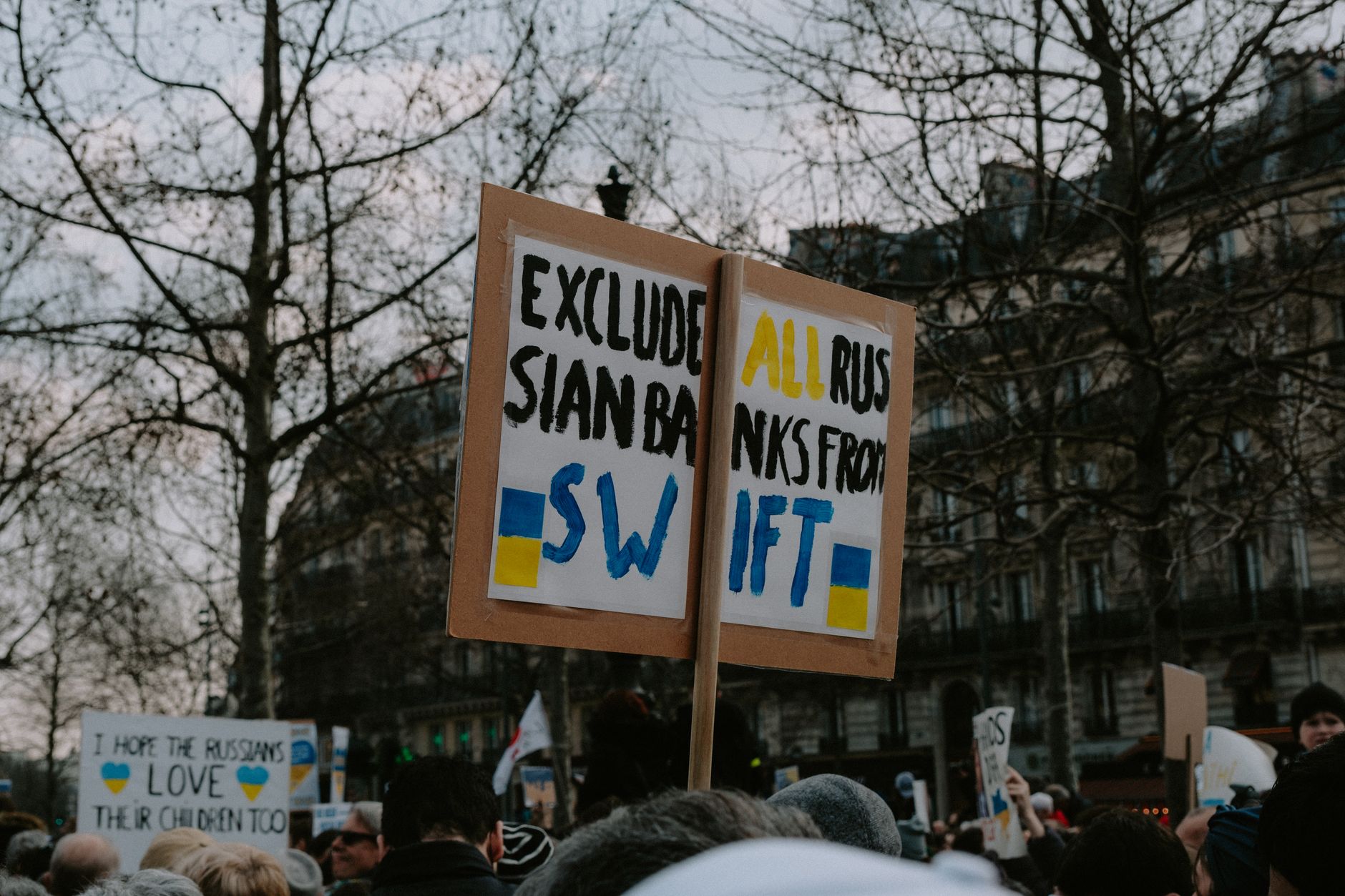
Russia sanctions on hold have sparked bipartisan anger as President Trump makes a controversial decision. This move has drawn criticism from both sides of the political spectrum, highlighting the complexities of international relations.
Impact of Russia Sanctions on Hold
The decision to place Russia sanctions on hold has sparked significant concern among lawmakers and experts alike. Many believe that this move undermines the integrity of U.S. foreign policy and could embolden Russia’s aggressive actions on the global stage.
One of the primary impacts of suspending these sanctions includes:
- Increased geopolitical tensions: With sanctions lifted, Russia may feel less pressured to adhere to international norms, potentially escalating conflicts in regions such as Ukraine or the Baltic states.
- Undermining bipartisan support: This decision has drawn bipartisan anger, illustrating a rare moment of unity among politicians who fear the repercussions of appeasing authoritarian regimes.
- Economic implications: The removal of sanctions could lead to increased trade and investment between the U.S. and Russia, raising questions about the ethical ramifications of engaging with a country accused of various human rights violations.
Critics argue that this action signals a weakening of U.S. commitment to democracy and human rights. They assert that holding Russia accountable is essential for maintaining global stability and deterring future aggression. As the situation evolves, the long-term effects of putting sanctions on hold remain to be seen, but immediate backlash from both sides of the aisle suggests a contentious political landscape ahead.
Reactions from Bipartisan Lawmakers
In the wake of President Trump’s decision to place Russia sanctions on hold, reactions from bipartisan lawmakers have been swift and critical. Many members of Congress have expressed their disappointment, stressing the importance of holding Russia accountable for its actions.
Senator John Smith, a prominent figure in the Senate Foreign Relations Committee, stated, “This move undermines our national security strategy and sends a dangerous message to our allies.” He emphasized the need for a unified stance against Russian aggression, which has been a consensus point among both parties.
Similarly, Representative Jane Doe voiced her concerns, claiming, “By delaying these sanctions, we are enabling further destabilization in Europe and jeopardizing the safety of our democratic institutions.” Her remarks reflect a growing unease among lawmakers who fear that this decision could embolden hostile foreign actors.
Several lawmakers have also called for immediate hearings to discuss the implications of this decision. Their collective stance highlights a rare moment of agreement as they push back against the administration’s approach. As bipartisan frustrations mount, the long-term ramifications of suspending these sanctions remain a focal point in ongoing discussions.
Ultimately, the consensus among many lawmakers is clear: placing Russia sanctions on hold is viewed as a misstep that could hinder U.S. foreign policy efforts and undermine international alliances.
Understanding the Rationale Behind Sanctions
The recent decision to place Russia sanctions on hold has sparked considerable debate among lawmakers and analysts alike. Understanding the rationale behind this controversial move requires an examination of both geopolitical dynamics and domestic political considerations.
Supporters of the decision argue that halting sanctions may open diplomatic channels with Russia, potentially leading to a thaw in tensions that have strained relations for years. They believe that engagement could pave the way for meaningful dialogue on critical issues, such as nuclear proliferation and cybersecurity threats.
However, critics contend that this approach undermines the very purpose of sanctions, which are designed to hold aggressors accountable for their actions. Their primary concerns include:
- Enabling Aggression: Critics warn that lifting sanctions might embolden Russia to pursue more aggressive policies, particularly in regions like Ukraine.
- Bipartisan Backlash: Many lawmakers from both sides of the aisle have expressed anger over this decision, viewing it as a betrayal of national interests.
- Long-Term Consequences: Analysts fear that the long-term effects could weaken U.S. credibility on the global stage, making it harder to impose sanctions in future crises.
Ultimately, the decision to keep Russia sanctions on hold raises critical questions about the balance between diplomacy and accountability in foreign policy.
Future Implications for US-Russia Relations
The decision to place Russia sanctions on hold raises significant questions about the future of US-Russia relations. As tensions continue to simmer over various geopolitical issues, the implications of this move could be far-reaching.
For many experts, the suspension of sanctions is viewed as a potential setback in holding Russia accountable for its actions. Maintaining a firm stance on sanctions has historically been a critical component of US foreign policy, aimed at deterring aggressive behaviors.
Analysts suggest that this decision may embolden Russia in its future endeavors, leading to increased assertiveness in regions such as Eastern Europe and the Middle East. The perception of weakness could undermine US credibility among its allies, who rely on American leadership in safeguarding democratic values.
Moreover, the strategic implications extend beyond bilateral relations. The move could influence how other nations perceive US policy consistency, potentially affecting international coalitions aimed at countering authoritarian regimes.
As the global landscape shifts, the ability of the United States to navigate its relationship with Russia will be tested. The suspension of sanctions, described by some as a misstep, could hinder diplomatic efforts and complicate future negotiations.
Ultimately, the decision to place Russia sanctions on hold may alter the trajectory of US-Russia relations, with consequences that could resonate for years to come.
The decision to keep the Russia sanctions on hold has raised concerns among analysts who warn it could undermine bipartisan support. Critics argue that maintaining Russia sanctions on hold sends a troubling message about the commitment to international accountability.
Photo by Mathias Reding on Pexels
Read the original
Russian Oil Imports: Safe and Proven Strategy for India · Best Planet for Life: Scientists Explore Alternatives to Earth · Six Flags roller coaster death: Calls for Federal Oversight

One thought on “Russia sanctions on hold: Wrong move for bipartisan support”