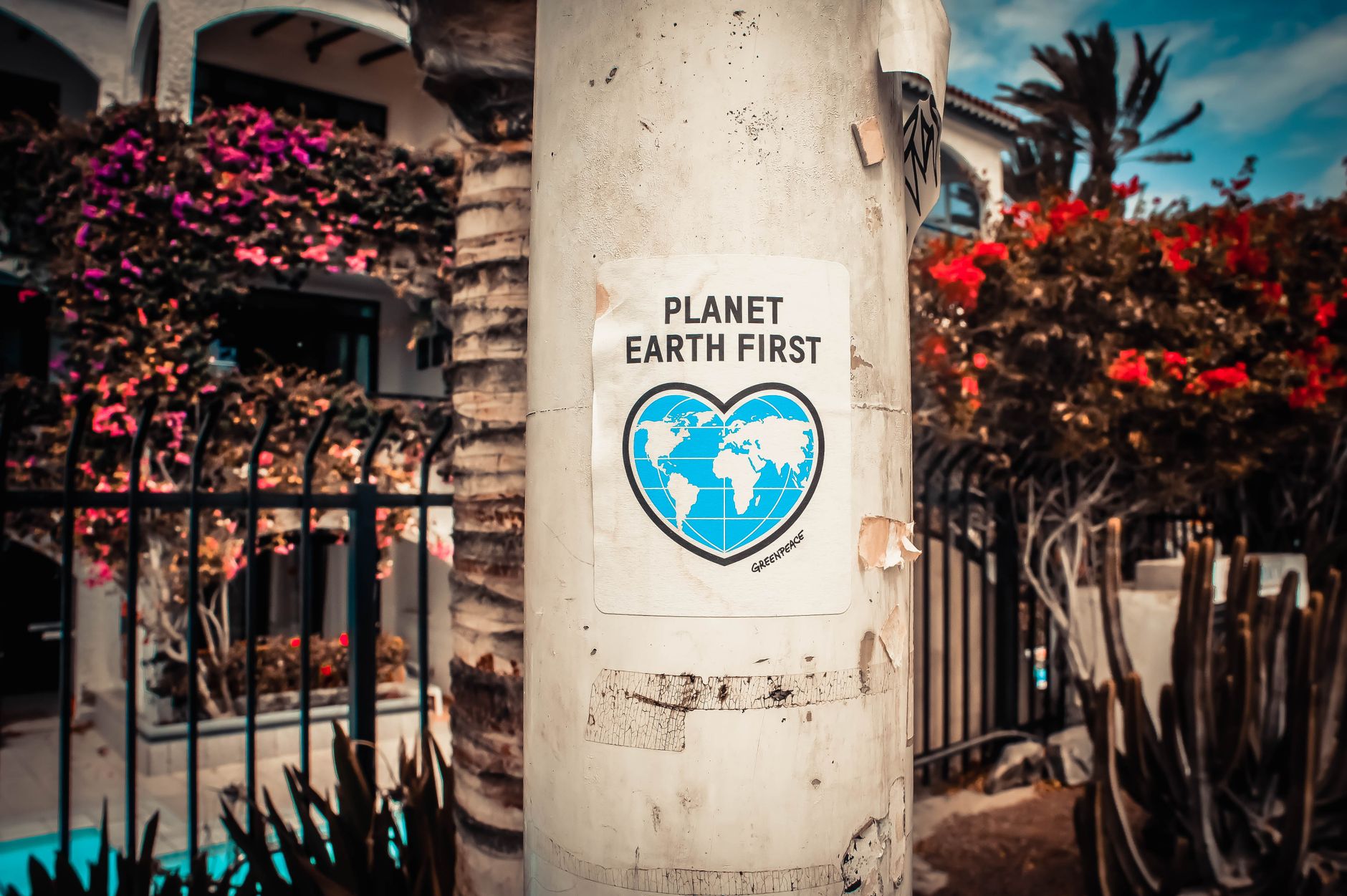
The best planet for life may not be Earth, as scientists explore alternatives. Recent studies suggest that other celestial bodies could support life, prompting a reevaluation of our understanding of habitability in the universe.
New Discoveries in Planetary Science
Recent advancements in planetary science have opened new avenues for exploring the best planet for life beyond Earth. Scientists are investigating various celestial bodies that may harbor conditions suitable for sustaining life.
New findings suggest that some exoplanets in the habitable zone of their stars possess atmospheres and surface conditions that could support life forms. Researchers are particularly interested in:
- Europa: A moon of Jupiter, believed to have a subsurface ocean beneath its icy crust.
- Enceladus: Saturn’s moon, which has geysers that eject water vapor and organic molecules.
- Proxima Centauri b: An exoplanet orbiting the closest star to the Sun, located in the habitable zone.
These discoveries challenge the notion that Earth is the only viable planet for life, prompting scientists to rethink their approach to astrobiology.
What Makes a Planet Habitable?
Scientists have long sought to understand what makes a planet habitable. Several key factors contribute to a planet’s ability to support life, including:
- Distance from its star: A suitable distance ensures that temperatures remain within a range that can sustain liquid water.
- Atmospheric conditions: A stable atmosphere rich in essential gases, such as oxygen and carbon dioxide, is crucial for life.
- Geological activity: Active geology can recycle nutrients and create diverse ecosystems.
- Magnetic field: A protective magnetic field shields a planet from harmful solar radiation.
These factors are essential for determining the best planet for life, as researchers continue to explore alternatives to Earth in the search for extraterrestrial life.
Exploring Life Beyond Earth
As scientists delve deeper into the cosmos, the search for the best planet for life has taken on new dimensions. Recent explorations have revealed a myriad of candidate worlds that could potentially support life, challenging our long-held beliefs about Earth’s uniqueness.
Among the most promising candidates are:
- Proxima Centauri b – Located in the habitable zone of the closest star to our Sun, this exoplanet has sparked interest due to its Earth-like qualities.
- TRAPPIST-1 System – With seven Earth-sized planets, some within the habitable zone, the potential for varied ecosystems is substantial.
- Europa – Jupiter’s moon, known for its subsurface ocean, presents intriguing possibilities for microbial life.
These discoveries underscore the importance of continued research in astrobiology and planetary science.
The Search for Alternative Planets
As scientists delve deeper into the cosmos, the search for the best planet for life has gained significant momentum. Researchers are utilizing advanced telescopes and space missions to identify exoplanets that possess conditions conducive to life. With thousands of exoplanets discovered, the criteria for habitability are being continuously refined.
Key factors under consideration include:
- Atmospheric composition: A suitable atmosphere is essential for sustaining life as we know it.
- Temperature range: Planets must lie within the habitable zone, where liquid water can exist.
- Geological activity: Active geology can create diverse environments that support various life forms.
As research progresses, the prospect of finding worlds where life could thrive becomes increasingly plausible, challenging our understanding of life’s origins and existence beyond Earth.
Implications for Future Space Exploration
The quest for the best planet for life has profound implications for future space exploration. As scientists identify potentially habitable exoplanets, the focus shifts to missions that could one day support human existence beyond Earth.
Key factors influencing these missions include:
- Technological advancements: Improved spacecraft and life-support systems are essential for long-duration space travel.
- International collaboration: Joint missions can pool resources and expertise, increasing the chances of success.
- Environmental considerations: Understanding how to sustain human life in alien environments is crucial.
- Ethical implications: The potential consequences of colonizing other worlds must be carefully weighed.
Ultimately, discovering the best planet for life may redefine our understanding of humanity’s place in the universe and our responsibility toward other worlds.
Photo by Lauris Rozentāls on Pexels
Where this came from
Related reading
Six Flags roller coaster death: Calls for Federal Oversight · Alaska Senate debate: The Right Takeaways from Peltola vs Sullivan · Top Stories Today: The Best Highlights You Can’t Miss

2 thoughts on “Best Planet for Life: Scientists Explore Alternatives to Earth”