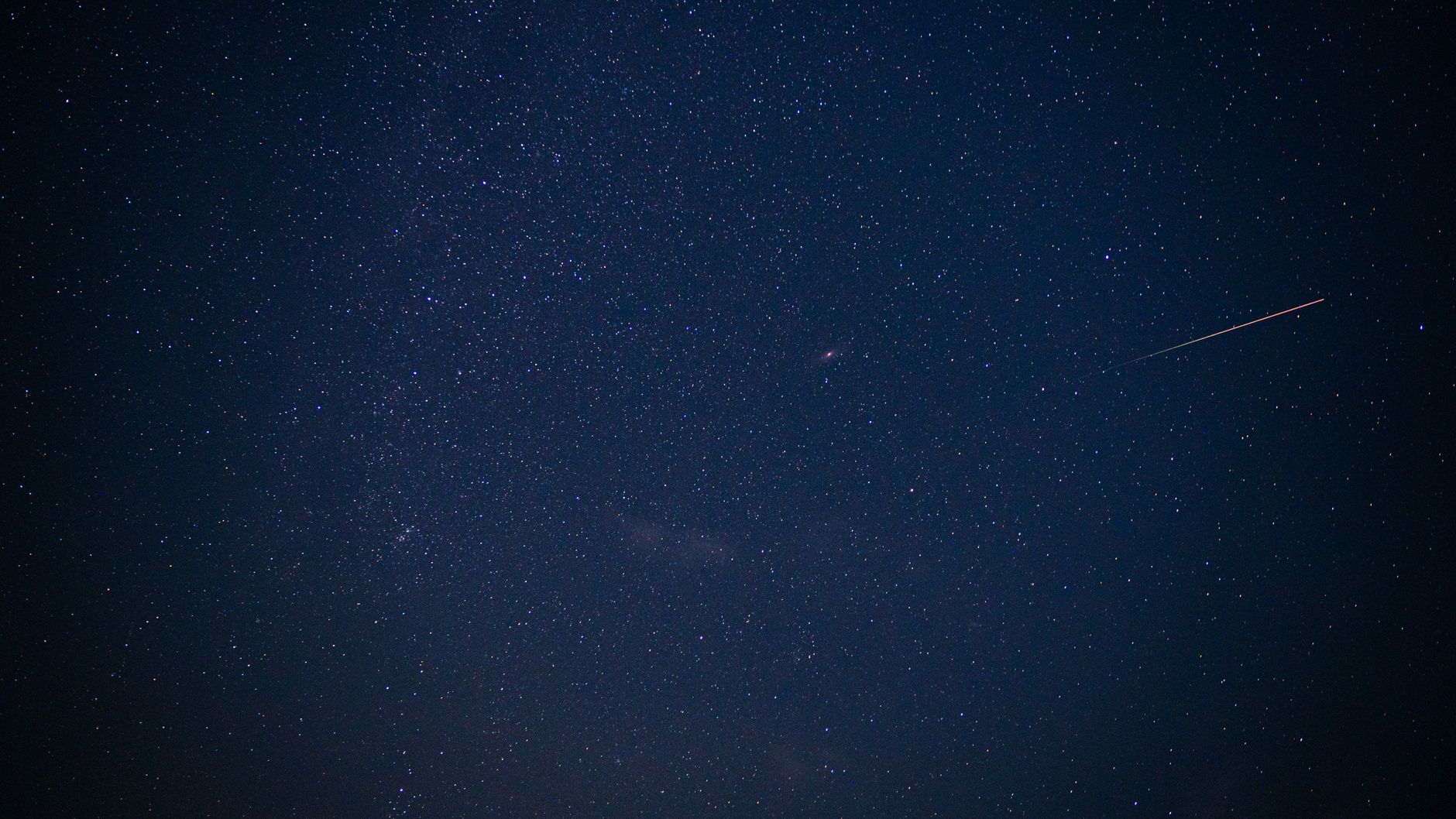
Orionid meteor shower 2026 is set to be one of the year’s most beautiful meteor showers. This article provides details on when to watch and how to make the most of the experience.
What is the Orionid meteor shower?
The Orionid meteor shower is an annual celestial event that occurs each October, showcasing some of the most stunning meteor displays of the year. This shower is a product of the debris left behind by Halley’s Comet, which orbits the sun approximately every 76 years. As Earth passes through this trail of particles, they enter our atmosphere at high speeds, creating bright streaks of light across the night sky.
Typically, the Orionid meteor shower can produce up to 20 meteors per hour at its peak, which is expected to occur in 2026 around mid-October. The meteors are named after the constellation Orion, from which they appear to radiate. Watching this meteor shower is a popular activity for stargazers, as the shooting stars are often bright and fast, leaving glowing trails that can last several seconds.
If you’re planning to catch the Orionid meteor shower in 2026, it’s best to find a location away from city lights, where the dark sky will enhance visibility. Clear nights with minimal moonlight will provide the best conditions for viewing this spectacular astronomical phenomenon.
When does the Orionid meteor shower peak?
The Orionid meteor shower is one of the most anticipated celestial events of the year, and in 2026, it is expected to peak on the night of October 21 and the early morning hours of October 22. During this peak, observers can expect to see a significant increase in meteor activity, with rates reaching up to 20 meteors per hour under optimal conditions.
For those eager to catch a glimpse of this spectacular event, it is essential to find a dark location away from city lights. The best viewing times will be between midnight and dawn when the sky is darkest and the meteors are most visible. Look towards the constellation Orion, from which the meteor shower derives its name, as this is where the meteors will appear to radiate from.
Experts recommend allowing your eyes to adjust to the darkness for at least 20 minutes to enhance visibility. Additionally, it can be helpful to lie down on a blanket or reclining chair to comfortably take in the entire sky.
Mark your calendars for the Orionid meteor shower 2026, as this will be an exciting opportunity for stargazers and astronomy enthusiasts alike.
How to best view the Orionid meteor shower
To experience the Orionid meteor shower 2026 at its best, it’s essential to choose the right time and location. The peak activity is expected around the night of October 21 and the early morning hours of October 22. During this time, observers can expect to see up to 20 meteors per hour under optimal conditions.
For the best viewing experience, follow these tips:
- Find a dark location: Avoid city lights and seek out areas with minimal light pollution. National parks or rural areas are ideal.
- Check the weather: Clear skies are crucial for visibility. Keep an eye on local forecasts leading up to the event.
- Give your eyes time to adjust: Allow at least 20 minutes for your eyes to adapt to the darkness to spot more meteors.
- Look towards the constellation Orion: The meteors will radiate from this area, so facing this constellation increases your chances of seeing more activity.
- Be patient: Meteor watching can require some time, so bring a blanket and settle in for the night.
With these tips, you can make the most of the Orionid meteor shower 2026 and enjoy a breathtaking celestial display.
Tips for stargazing during meteor showers
Stargazing during the Orionid meteor shower can be an exhilarating experience. To make the most of your viewing, consider the following tips:
- Choose a Dark Location: Find a spot away from city lights to reduce light pollution. Parks or open fields are ideal for optimal visibility.
- Check the Weather: Clear skies are essential for a good view. Monitor local weather forecasts leading up to the event.
- Be Patient: Meteors may not appear immediately. Give yourself time to adjust your eyes to the darkness, and remain still to catch every shooting star.
- Bring Comfort Items: Pack a blanket or reclining chair for a comfortable viewing experience, along with snacks and warm clothing to stay cozy.
- Know the Peak Times: The Orionid meteor shower 2026 will have peak activity during the early morning hours. Plan to watch after midnight for the best chance of seeing meteors.
- Limit Distractions: Turn off your phone screen to reduce distractions and enhance your stargazing experience.
By following these tips, you can enjoy the beauty of the Orionid meteor shower and create lasting memories under the night sky.
What makes the Orionid meteor shower special?
The Orionid meteor shower 2026 is particularly special for a number of reasons. First and foremost, it derives its name from the constellation Orion, from which the meteors appear to radiate. This annual event occurs as Earth passes through the debris left behind by Halley’s Comet, which has a rich history of captivating skywatchers since ancient times.
One of the most enchanting aspects of the Orionid meteor shower is its high-speed meteors. These meteors can travel at speeds of up to 148,000 miles per hour, resulting in bright, fast streaks across the night sky. Additionally, the shower is known for producing a variety of meteor types, including fireballs, which are particularly bright and can leave a lasting impression.
Another factor that enhances the viewing experience is the typical timing of the shower. The Orionids often coincide with cooler fall nights, providing a crisp atmosphere that makes stargazing more enjoyable. With optimal viewing conditions, enthusiasts can expect to witness up to 20 meteors per hour at its peak, making the Orionid meteor shower 2026 an event not to be missed.
Safety tips for night sky watching
While watching the Orionid meteor shower 2026, it’s essential to prioritize safety to ensure an enjoyable experience. Here are some important safety tips for night sky watching:
- Choose a safe location: Select a spot away from city lights, but also ensure that the area is free from hazards such as steep cliffs or wildlife.
- Bring a friend: Stargazing can be more enjoyable with a companion, and having someone with you enhances safety, especially in remote areas.
- Dress appropriately: Nights can be chilly, even in the fall. Layer your clothing to stay warm and bring blankets or sleeping bags for comfort.
- Use a flashlight: A red-filtered flashlight is ideal for preserving your night vision. Avoid using bright white lights that can disrupt your viewing experience.
- Stay aware of your surroundings: Keep an eye on your environment to avoid tripping or falling, especially when moving around to find the best viewing spots.
- Limit distractions: Put away electronic devices to fully immerse yourself in the experience and minimize distractions from the celestial show.
By following these tips, you can fully enjoy the captivating display of the Orionid meteor shower in 2026 while ensuring your safety and comfort.
The history of the Orionid meteor shower
The Orionid meteor shower has a rich history that dates back hundreds of years. It is believed that the first recorded observations of the shower were made in the 1830s, although the origins of the meteor shower can be traced back to the debris left by Halley’s Comet.
Every year, the Earth passes through the trail of dust and particles left behind by this famous comet, resulting in the spectacular display of shooting stars that we now recognize as the Orionid meteor shower. The meteors are named after the constellation Orion, from which they appear to originate.
The Orionid meteor shower is notable not only for its beauty but also for its consistent performance. Observers have noted that the shower produces some of the fastest meteors, traveling at speeds up to 148,000 miles per hour. This speed contributes to the bright, fiery trails that captivate viewers each October.
In 2026, the Orionid meteor shower promises to continue this tradition of awe-inspiring celestial displays. With optimal viewing conditions, stargazers can expect to witness dozens of meteors per hour, making this event a highlight for astronomy enthusiasts and casual observers alike.
Other meteor showers to watch in 2026
As stargazers prepare for the Orionid meteor shower 2026, it’s also a great opportunity to explore other meteor showers occurring throughout the year. Each meteor shower offers a unique spectacle, showcasing the beauty of our night sky.
Here are some notable meteor showers to watch in 2026:
- Quadrantids: Peak activity occurs in early January, with the best viewing conditions typically in the pre-dawn hours. This shower can produce bright fireballs.
- Lyrids: Expected to peak around April 22, the Lyrids are known for their fast meteors and can produce up to 20 meteors per hour.
- Perseids: One of the most popular meteor showers, the Perseids peak in mid-August. With warm weather and high visibility, this event attracts many observers.
- Geminids: Peaking in December, the Geminids are often regarded as the best meteor shower of the year, with around 120 meteors per hour under optimal conditions.
These meteor showers, along with the Orionid meteor shower 2026, provide ample opportunities for skywatchers to enjoy celestial displays throughout the year.
The Orionid meteor shower 2026 is expected to peak on the night of October 21, offering a spectacular view for stargazers. To make the most of the Orionid meteor shower 2026, find a dark location away from city lights and look towards the constellation Orion.
Photo by bum’s kim on Pexels
One thought on “Orionid meteor shower 2026: What’s the best time to watch?”