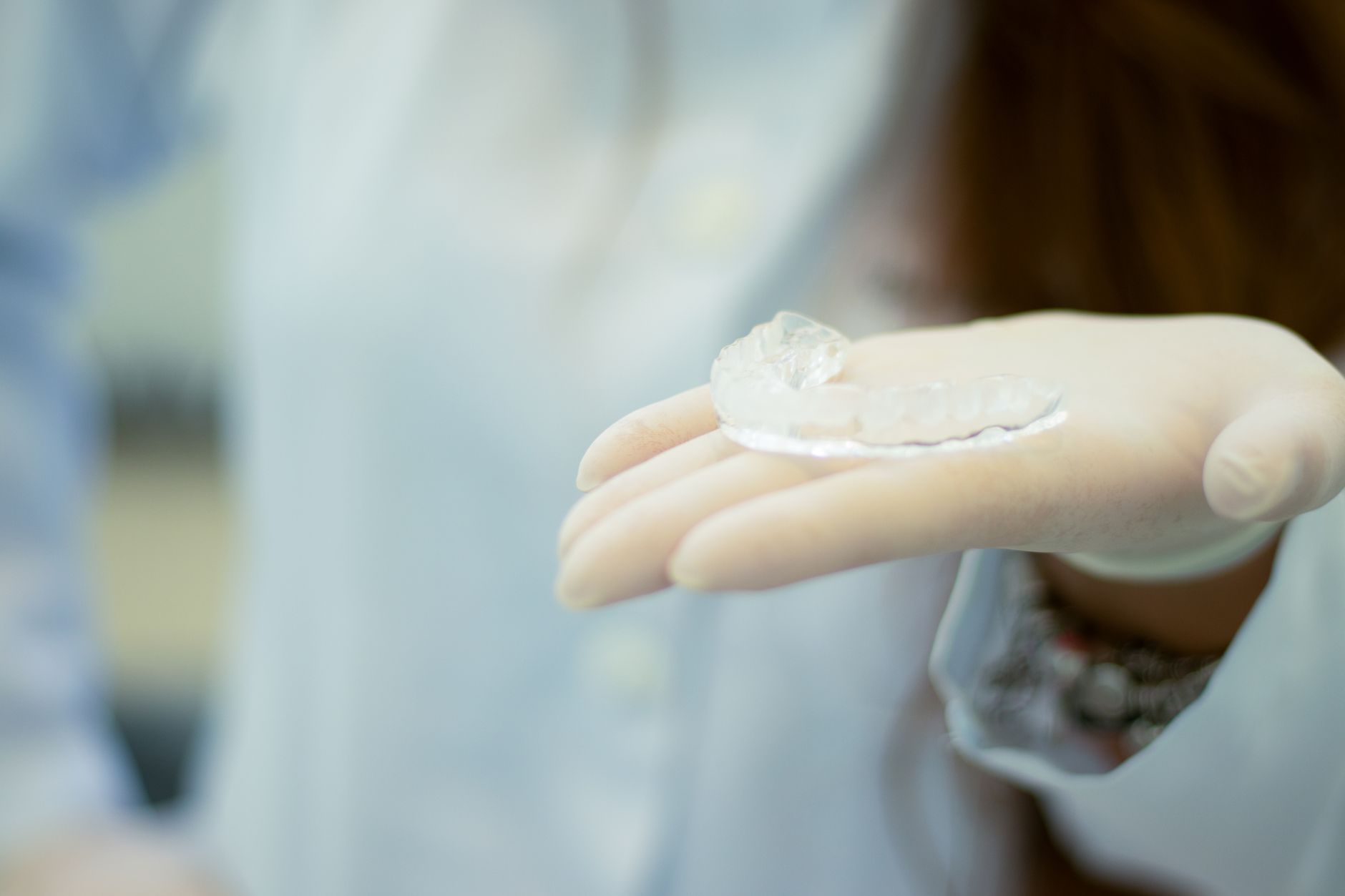
The thermoplastic prosthesis case report highlights an innovative approach for patients with reduced inter-arch space following fibula flap reconstruction of the maxilla.
Understanding Thermoplastic Prosthesis
Thermoplastic prosthesis has emerged as a significant advancement in the field of maxillofacial reconstruction, particularly for patients with unique anatomical challenges. In cases where conventional prosthetic approaches may fall short, such as limited inter-arch space, a thermoplastic prosthesis offers a tailored solution that enhances both functionality and aesthetics.
One notable case report highlights the successful application of a pressure-molded thermoplastic prosthesis for a patient who underwent fibula flap reconstruction of the maxilla. The following aspects are crucial in understanding the effectiveness of this approach:
- Customization: Thermoplastic materials can be molded to fit the specific contours of an individual’s anatomy, ensuring a comfortable and secure fit.
- Lightweight Design: The low weight of thermoplastic prostheses reduces the strain on surrounding tissues, facilitating better patient comfort.
- Durability: These materials are not only resilient but also resistant to wear, making them suitable for long-term use.
- Ease of Maintenance: Thermoplastic prostheses can be easily cleaned and maintained, promoting hygiene.
Overall, the use of thermoplastic prosthesis represents a proven solution for maxilla reconstruction, significantly improving the quality of life for patients facing complex oral rehabilitation challenges.
The Importance of Inter-arch Space
The inter-arch space plays a crucial role in the success of any prosthetic rehabilitation, particularly in cases requiring a thermoplastic prosthesis. When the inter-arch distance is compromised, as seen in patients following maxillofacial surgeries like fibula flap reconstruction, achieving functional and aesthetic outcomes can become significantly challenging.
In such cases, understanding the importance of this space is vital for ensuring proper occlusion and comfort. A reduced inter-arch space can lead to difficulties in mastication, speech, and overall oral health. The application of a thermoplastic prosthesis offers an innovative solution to these challenges, as it can be custom-molded to fit the unique contours of a patient’s anatomy.
Moreover, the flexibility and adaptability of thermoplastic materials allow for adjustments that enhance the fit without compromising the structural integrity of the prosthesis. This adaptability is particularly beneficial in cases with fluctuating anatomical changes due to healing processes or post-operative modifications. Ultimately, ensuring adequate inter-arch space is paramount for achieving successful outcomes in the use of thermoplastic prosthesis, reaffirming its role as a proven solution for maxilla reconstruction.
Innovative Techniques in Maxilla Reconstruction
Recent advancements in maxilla reconstruction have highlighted the use of thermoplastic prosthesis as a highly effective solution. These innovative techniques not only facilitate better functional outcomes but also enhance the aesthetic appearance of patients who have undergone significant maxillary alterations.
One notable method involves the application of pressure-molded thermoplastic materials, which can be tailored to fit the unique contours of a patient’s mouth. This customization is crucial, especially for individuals who have experienced reduced inter-arch space, commonly seen after procedures like fibula flap reconstruction.
In a recent case report, a patient benefited from a thermoplastic prosthesis that was meticulously crafted to accommodate the reduced inter-arch space. The prosthesis provided improved stability and comfort, allowing the patient to regain essential functions such as chewing and speaking.
Additionally, the use of thermoplastic materials ensures that the prosthesis is lightweight and durable, making it a practical option for long-term use. By integrating these innovative techniques, healthcare professionals can significantly improve the quality of life for patients undergoing maxilla reconstruction.
Patient Outcomes After Fibula Flap Surgery
In the case report detailing the use of a thermoplastic prosthesis, patient outcomes following fibula flap surgery demonstrate significant improvements in both functionality and aesthetics. The innovative approach of using a pressure-molded thermoplastic prosthesis has shown promising results for patients with reduced inter-arch space.
After the fibula flap reconstruction, patients reported the following outcomes:
- Enhanced Oral Function: Many patients experienced improved chewing and speaking capabilities, which are essential for daily life.
- Increased Comfort: The lightweight nature of the thermoplastic material contributes to a better fit, reducing discomfort commonly associated with traditional prosthetics.
- Aesthetic Satisfaction: The prosthesis effectively mimicked natural maxillary contours, leading to higher patient confidence and satisfaction.
- Durability: Patients noted the long-lasting quality of the thermoplastic prosthesis, which withstands the rigors of daily use.
Overall, the integration of a thermoplastic prosthesis in reconstructive procedures is proving to be a viable solution, especially for those facing the challenges of reduced inter-arch space after fibula flap surgery.
Future of Prosthetic Solutions in Dentistry
The future of prosthetic solutions in dentistry is evolving rapidly, particularly with advancements in materials and techniques that enhance patient care. One promising area is the development of thermoplastic prosthesis, which offers significant benefits for maxilla reconstruction. As demonstrated in recent case reports, including the notable study on a pressure-molded thermoplastic prosthesis, these innovations are tailored to accommodate individual anatomical challenges, such as reduced inter-arch space.
Prosthetic solutions are becoming increasingly adaptable, allowing for customized fittings that improve comfort and functionality. This adaptability is crucial for patients who have undergone complex procedures like fibula flap surgeries, where traditional prosthetics may fail to provide a secure fit. The introduction of thermoplastic materials not only ensures a better aesthetic outcome but also enhances the durability and performance of the prosthesis.
As researchers continue to explore new applications and techniques, the integration of advanced technologies in prosthetic design will likely lead to improved patient satisfaction. The ongoing focus on thermoplastic prosthesis case reports highlights the potential for more effective and personalized dental solutions in the years to come.
Recent studies have highlighted the effectiveness of using a thermoplastic prosthesis case report as a benchmark for successful maxilla reconstruction. This innovative approach demonstrates the potential for improved patient outcomes and satisfaction.
Photo by Victor Castardo on Pexels
One thought on “Thermoplastic Prosthesis: A Proven Solution for Maxilla Reconstruction”