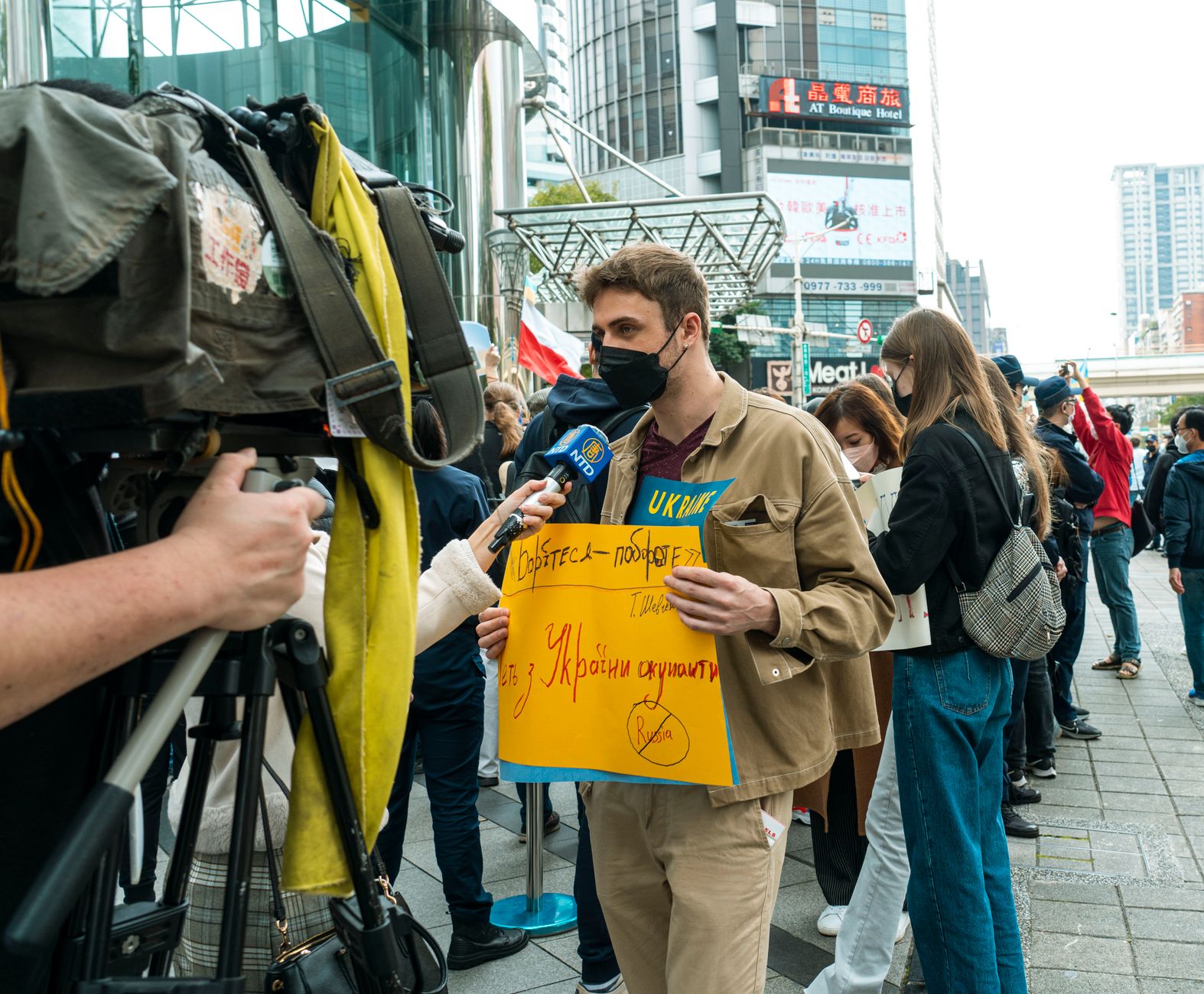
Russia-Ukraine peace talks are becoming more significant as President Zelensky welcomes US engagement in the discussions. This development could pave the way for a resolution to the ongoing conflict.
Background of the Russia-Ukraine Conflict
The Russia-Ukraine conflict began in 2014 when Russia annexed Crimea, leading to a prolonged period of tension and violence in Eastern Ukraine. Over the years, numerous attempts at diplomacy have been made, but a lasting resolution has remained elusive.
Key events that have shaped the conflict include:
- The 2014 Euromaidan protests in Ukraine, which called for closer ties with the European Union.
- Russia’s military involvement in Eastern Ukraine, supporting separatist movements.
- The Minsk agreements, aimed at de-escalating the situation, which have often been violated.
As the conflict continues to evolve, recent developments indicate a renewed emphasis on peace talks. President Zelensky’s invitation for the U.S. to engage Europe in the Russia-Ukraine peace talks marks a significant step towards finding common ground and ending the hostilities that have affected countless lives.
Zelensky’s Diplomatic Strategy
Ukrainian President Volodymyr Zelensky has been proactive in shaping a diplomatic strategy aimed at fostering dialogue in the ongoing Russia-Ukraine peace talks. His approach emphasizes collaboration with international partners, particularly the United States and European nations, to solidify support for Ukraine’s sovereignty.
Key elements of Zelensky’s strategy include:
- Strengthening Alliances: By engaging with Western leaders, Zelensky aims to create a united front against Russian aggression.
- Promoting Dialogue: He has expressed willingness to engage in negotiations, contingent on Russia’s commitment to cease hostilities.
- Highlighting Humanitarian Concerns: Zelensky continually raises awareness of the humanitarian crisis resulting from the conflict, urging for immediate action.
As discussions progress, Zelensky remains optimistic that a diplomatic resolution can be achieved, paving the way for a sustainable peace in the region.
US Role in Peace Negotiations
The ongoing Russia-Ukraine peace talks have gained momentum with the active involvement of the United States. Recently, Ukrainian President Volodymyr Zelensky emphasized the significance of US engagement in bringing European allies into the negotiation process. This collaboration is viewed as a crucial step towards a comprehensive resolution of the conflict.
Key aspects of the US role include:
- Facilitating dialogue between Ukraine and Russia.
- Providing military and financial support to strengthen Ukraine’s position.
- Encouraging European nations to take a unified stance on peace initiatives.
The US has been instrumental in shaping the framework for these discussions, aiming to ensure that the interests of both Ukraine and Russia are addressed. As the peace talks progress, the international community is hopeful that a sustainable solution can be reached, ultimately ending the hostilities that have plagued the region.
Potential Outcomes of the Talks
The ongoing Russia-Ukraine peace talks hold significant promise for a potential resolution to the prolonged conflict. Several outcomes could emerge from these discussions:
- A Comprehensive Ceasefire: One immediate goal is to establish a ceasefire that halts all military operations, allowing both sides to negotiate without the pressure of ongoing violence.
- Territorial Agreements: Negotiations may lead to compromises on disputed territories, with possibilities for autonomy or integration into Ukraine under strict conditions.
- Economic Aid Packages: An agreement could include substantial economic support for Ukraine to rebuild and stabilize the region, which would be critical for long-term peace.
- Security Guarantees: The talks may also result in security guarantees from international powers, ensuring that any agreements made are upheld and respected.
Ultimately, the success of the Russia-Ukraine peace talks depends on the willingness of both parties to compromise and engage in collaborative dialogue.
International Reactions to US Involvement
International reactions to the United States’ involvement in the Russia-Ukraine peace talks have been varied, reflecting the complexities of the geopolitical landscape. Many European leaders have expressed appreciation for the US initiative, viewing it as a necessary step toward fostering broader support for Ukraine.
Some key reactions include:
- European Union: Leaders have welcomed the US’s engagement, emphasizing that a united front is essential for effective negotiations.
- NATO Officials: They believe increased US involvement may bolster military and economic aid to Ukraine, reinforcing its position in the talks.
- Russia: Officials have reacted cautiously, suggesting that US participation could complicate the peace process, given America’s historical stance on the conflict.
As the Russia-Ukraine peace talks continue, the global community remains watchful, hoping that collaborative efforts will lead to a sustainable resolution.
Challenges Facing Peace Efforts
The ongoing Russia-Ukraine peace talks face numerous challenges that complicate the path to resolution. Key issues include:
- Distrust between parties: Historical tensions and ongoing hostilities have fostered a deep-seated skepticism, making it difficult for negotiators to find common ground.
- Territorial disputes: Disagreements over borders and the status of contested regions remain major sticking points, with both sides unwilling to make significant concessions.
- Influence of external actors: The involvement of various international players can both facilitate and hinder negotiations, as differing agendas create additional layers of complexity.
- Domestic pressures: Leaders face pressure from constituents and political factions that may oppose any compromise, adding to the difficulty of achieving a lasting agreement.
These challenges underscore the intricate nature of the Russia-Ukraine peace talks and the need for persistent diplomatic efforts.
Historical Context of Russia-Ukraine Relations
The historical context of Russia-Ukraine relations is pivotal in understanding the ongoing peace talks. Since Ukraine gained independence in 1991, its relationship with Russia has been marked by tension and conflict, fueled by differing national identities and political alignments. Key events, such as the 2004 Orange Revolution and the 2014 annexation of Crimea, have further strained ties.
These conflicts have roots in a complex history where Ukraine has sought closer ties with Western Europe, while Russia has aimed to maintain its influence over former Soviet states. The ongoing war has not only devastated Ukraine but has also reshaped international alliances.
As the Russia-Ukraine peace talks unfold, understanding this historical backdrop is essential for recognizing the challenges negotiators face and the importance of achieving a lasting resolution to ensure stability in the region.
Future Implications for Europe
The ongoing Russia-Ukraine peace talks carry significant implications for Europe, particularly in terms of security and economic stability. As the conflict persists, European nations are increasingly aware of their vulnerability to geopolitical tensions. The participation of European allies in the peace negotiations is crucial for fostering a unified front against potential aggression.
Key implications include:
- Enhanced Security Cooperation: European countries may strengthen defense alliances and increase military readiness in response to threats.
- Economic Realignment: The peace talks could lead to shifts in energy dependence, as Europe seeks to reduce reliance on Russian resources.
- Political Solidarity: A successful resolution could bolster the EU’s influence and cohesion, promoting stability in Eastern Europe.
Ultimately, the Russia-Ukraine peace talks represent not only a potential end to the conflict but also a pivotal moment for Europe’s strategic landscape.
Photo by Jimmy Liao on Pexels
Sources
Related reading
Nvidia Chinese competitor: Alice Huang’s surprising ties revealed · Stephen Miller Job: The Worst Impact on Mexico’s Relations · IND U19 vs AFG U19: What is the Best Live Score Update?


One thought on “Russia-Ukraine Peace Talks: The Clear Path to Resolution”