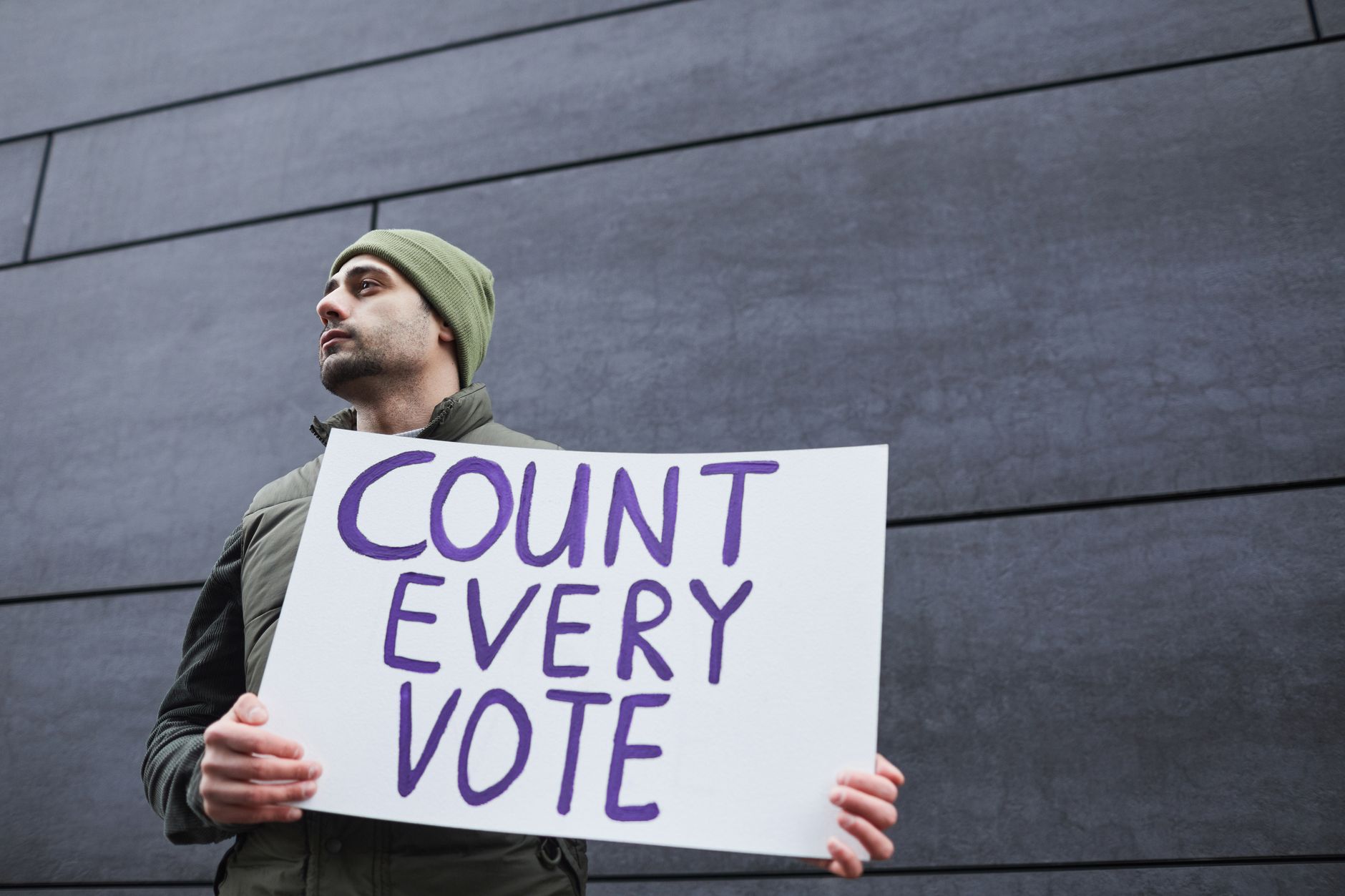
Vote-count discrepancies have been a hot topic in the lead-up to the 2024 elections. The Election Commission has firmly rejected these claims, asserting the integrity of the voting process.
Understanding the Election Commission’s Response
The Election Commission has issued a firm response regarding the recent claims of vote-count discrepancies during the 2024 polls. According to officials, the allegations are based on misunderstandings and lack a substantive basis. In a detailed statement, the Commission emphasized its commitment to transparency and accuracy in the electoral process.
Key points from the Election Commission’s response include:
- Thorough Audits: The Commission highlighted that all vote counts undergo rigorous auditing procedures to ensure accuracy.
- Statistical Analysis: Comprehensive statistical analyses are conducted post-election to verify the integrity of the results.
- Public Access: Voter data and election results are made available to the public, allowing for independent verification by third-party organizations.
The Election Commission also noted that while discrepancies can occasionally arise due to human error in data entry, these are promptly addressed and corrected. They reassured the public that the voting system is designed to minimize such errors, and any corrections made do not affect the overall outcome of the election.
In conclusion, the Election Commission urges the public to rely on verified information and official statements rather than unfounded claims about vote-count discrepancies, emphasizing that the integrity of the electoral process remains paramount.
What Are Vote-Count Discrepancies?
Vote-count discrepancies refer to the differences observed between the number of votes tallied and the actual votes cast during an election. Such discrepancies can raise significant concerns regarding the integrity and accuracy of the electoral process, prompting scrutiny from both voters and election officials.
These discrepancies can arise from various factors, including:
- Human error: Mistakes made during the counting process, such as misrecording votes or misplacement of ballots.
- Technical malfunctions: Issues related to voting machines or software that may lead to inaccurate counts.
- Procedural irregularities: Instances where established protocols for counting and verifying votes are not followed.
In recent elections, especially the 2024 polls, claims of vote-count discrepancies have emerged, leading to widespread debate and confusion. However, it is essential to distinguish between legitimate discrepancies that warrant investigation and unsubstantiated claims that may be politically motivated.
The Election Commission has emphasized the importance of transparency and accuracy in the vote-counting process. They have stated that any identified discrepancies will be thoroughly investigated to ensure the integrity of the election. Understanding the nuances of vote-count discrepancies is crucial for maintaining public trust in the electoral system and addressing any potential concerns effectively.
The Importance of Trust in Elections
The integrity of the electoral process is paramount for the health of a democracy. Voter trust in the system is built on transparency, accuracy, and accountability. When allegations arise, such as vote-count discrepancies, it can erode public confidence and lead to widespread skepticism about election outcomes.
In recent years, the role of social media has amplified concerns surrounding election integrity. Misinformation can spread rapidly, causing confusion and doubt among voters. This highlights the need for clear communication from election authorities, especially when addressing claims of irregularities. The Election Commission’s proactive stance in rejecting unfounded allegations is crucial in maintaining public trust.
Moreover, educating the electorate about the voting process is essential. Voters need to understand how their votes are counted and the rigorous measures in place to ensure accuracy. This understanding can help mitigate fears and reinforce trust in the electoral system.
To support this goal, various organizations and advocacy groups are working to provide resources and information to the public. By fostering an informed citizenry, the focus shifts from sensational claims to constructive dialogue about improving the electoral process.
Ultimately, safeguarding the integrity of elections is a collective responsibility that requires the collaboration of election officials, community leaders, and voters alike. Only through cooperation can trust be restored and maintained in the democratic process.
Reactions from Political Parties
Political parties have responded with a mix of skepticism and support following the Election Commission’s rejection of claims regarding vote-count discrepancies in the 2024 polls. Some party leaders have expressed confidence in the electoral process, emphasizing the need for transparency to maintain public trust.
- The Democratic Party has urged its members to remain vigilant and to report any irregularities they may observe during the counting process. A spokesperson stated, “We must ensure that every vote is counted accurately and that discrepancies are addressed swiftly.”
- The Republican Party has taken a more cautious approach, with several officials calling for an independent review of the vote-count process. “It is crucial that we uphold the integrity of our elections, and any vote-count discrepancies should be thoroughly investigated to reassure the public,” noted one senior party member.
- Third-party candidates have also chimed in, advocating for increased oversight and accountability. They argue that the recent claims of vote-count discrepancies, regardless of their validity, highlight significant gaps in the current electoral framework that need addressing.
As debates continue, the overall sentiment within the political landscape remains divided. The focus now shifts to how both parties will navigate these claims while ensuring that the upcoming elections maintain their integrity and credibility.
Future Implications for Voter Confidence
The implications of vote-count discrepancies extend far beyond individual elections, influencing the overall confidence of voters in the democratic process. As the 2024 elections approach, ensuring transparency and accuracy in vote counting is crucial for maintaining public trust.
Studies show that perceived inconsistencies in vote counts can lead to:
- Lower Voter Turnout: When voters believe their ballots may not be counted accurately, they may choose to abstain from voting altogether, fearing their participation is futile.
- Increased Polarization: Claims of vote-count discrepancies can exacerbate divisions among political groups, fueling mistrust and hostility.
- Challenges to Election Legitimacy: Persistent doubts about vote counting can lead to widespread calls for audits and recounts, undermining the legitimacy of the electoral process.
To mitigate these risks, election officials must prioritize clear communication and transparency in their operations. This includes providing timely updates about the voting process and ensuring that all discrepancies are thoroughly investigated and addressed.
Ultimately, fostering a culture of trust requires the collaboration of all stakeholders, including the Election Commission, political parties, and citizens. By addressing concerns about vote-count discrepancies proactively, the electoral system can bolster public confidence, ensuring that democracy remains robust and resilient.
Photo by Edmond Dantès on Pexels
One thought on “Vote-count discrepancies: What’s the real story behind claims?”