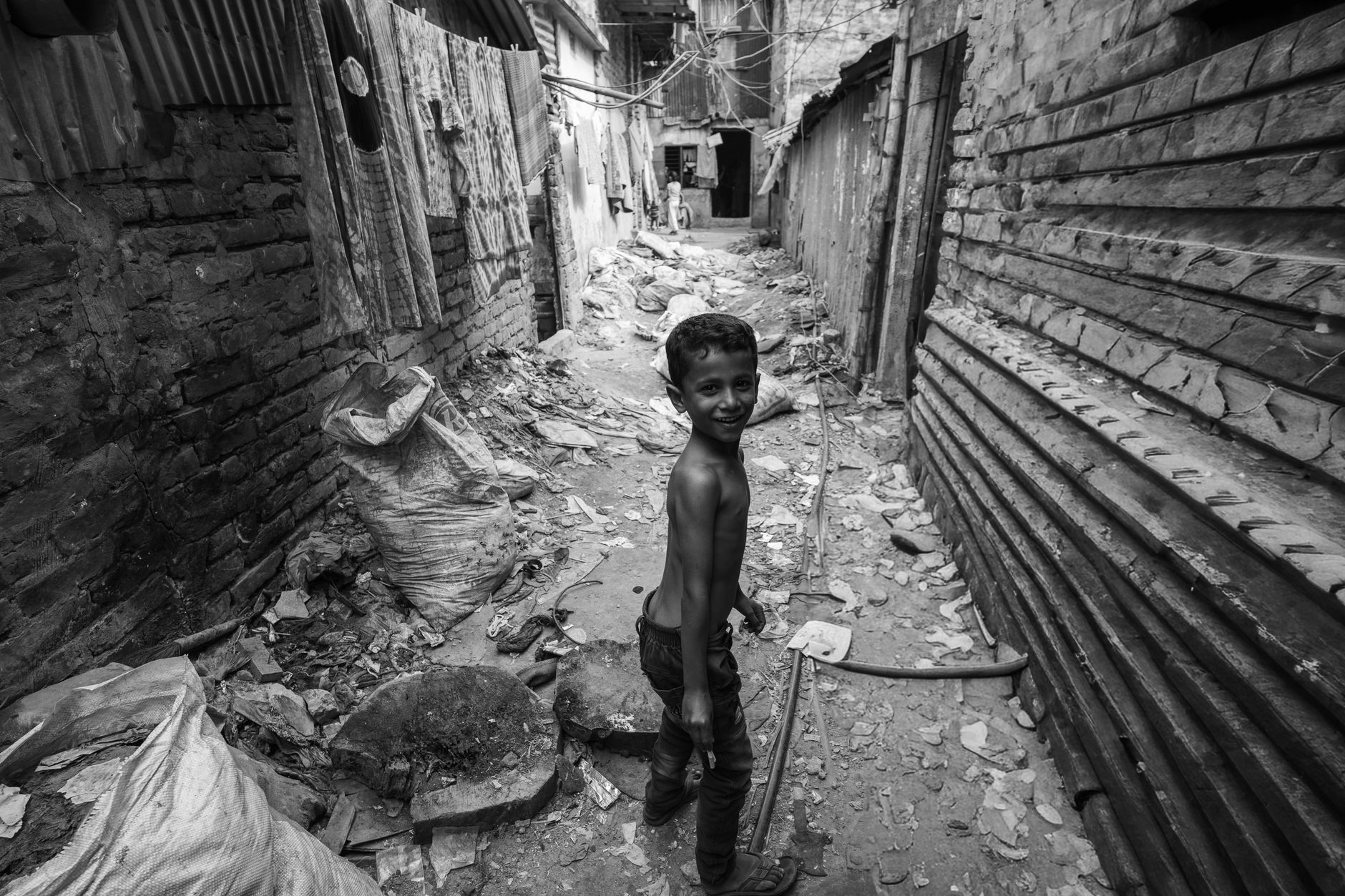
Chinese vloggers Dhaka slums are causing controversy as they misrepresent locations, prompting the MEA to call for action against this misleading portrayal.
Background of the Controversy
The controversy surrounding the portrayal of Dhaka slums by Chinese vloggers has attracted significant attention and criticism. Recently, several videos surfaced online where these vloggers depicted the impoverished areas of Dhaka, Bangladesh, while misleadingly labeling them as locations in New Delhi, India. This misrepresentation has raised concerns among Indian authorities and sparked outrage on social media platforms.
The Ministry of External Affairs (MEA) of India has urged action against these vloggers, emphasizing that such content undermines India’s image and contributes to negative stereotypes. The videos not only mislead viewers but also serve as a tool for an anti-India campaign, as highlighted by numerous commentators and analysts.
The situation reflects broader geopolitical tensions and the role of social media in shaping public perception. Critics argue that the actions of the Chinese vloggers are not just a matter of mislabeling but are indicative of a strategic attempt to create discord between India and its neighboring countries. As the debate continues, many are calling for greater accountability and transparency in the content shared by influencers and vloggers, particularly when it comes to sensitive subjects like poverty and national identity.
What the MEA Says
The Ministry of External Affairs (MEA) has responded to the recent controversy surrounding Chinese vloggers who have been showcasing the slums of Dhaka as if they were representative of New Delhi. In an official statement, the MEA condemned this misleading portrayal, indicating that it forms part of a larger anti-India campaign aimed at distorting India’s image internationally.
The MEA emphasized the importance of accurate representation of countries and cultures, stating that such actions not only mislead viewers but also contribute to harmful narratives. The ministry urged social media platforms to take decisive action against these Chinese vloggers, highlighting that the integrity of information shared online is crucial in today’s interconnected world.
In addition to urging action against the vloggers, the MEA called on the public to critically assess such content and recognize the potential implications of misinformation. They warned that such campaigns could negatively affect India’s diplomatic relations and its standing on the global stage.
The situation has sparked discussions about the role of social media in shaping perceptions and the responsibilities of content creators, especially in the context of Chinese vloggers in Dhaka slums.
Impact on India-China Relations
The recent videos created by Chinese vloggers showcasing the slums of Dhaka as representative of New Delhi have sparked significant controversy, raising concerns about the implications for India-China relations. This misrepresentation is perceived not only as a cultural affront but also as a deliberate attempt to undermine India’s image on an international platform.
The Ministry of External Affairs (MEA) has condemned the actions of these vloggers, urging both social media platforms and governments to take action against such anti-India campaigns. The portrayal of the Dhaka slums as reflective of India’s capital is seen as part of a broader narrative that seeks to distort perceptions and create a negative sentiment towards India.
The fallout from this incident could strain diplomatic ties further, especially amid existing tensions over various geopolitical issues. Experts believe that the dissemination of such misleading content could fuel nationalist sentiments within both countries, complicating any efforts toward dialogue and cooperation.
In light of these developments, it is crucial for both nations to address the misinformation and work towards fostering a more positive bilateral relationship.
Public Reaction to the Vloggers
The recent controversy surrounding Chinese vloggers portraying Dhaka slums as locations in New Delhi has sparked significant public reaction. Many viewers expressed disbelief and anger over the distorted representation of India, deeming it a blatant attempt to tarnish the country’s image.
Social media platforms have become a battleground for opinions, with users highlighting the responsibility of content creators to provide accurate depictions of the places they feature. Some reactions include:
- Criticism of Misinformation: Many commenters called out the vloggers for spreading false narratives that can fuel stereotypes and misunderstandings.
- Support for Accurate Representation: Advocates for cultural sensitivity stressed the importance of showcasing authentic experiences rather than misleading portrayals.
- Calls for Action: Several individuals urged the Indian government to take stronger measures against such content, emphasizing the need to protect national dignity.
As the debate continues, the actions of these Chinese vloggers in the Dhaka slums have ignited discussions on nationalism and the impact of digital media in shaping perceptions of countries. The call for accountability remains a central theme among the public discourse.
Comparative Analysis: Dhaka and New Delhi
The recent controversy surrounding Chinese vloggers misrepresenting Dhaka slums as New Delhi has sparked a significant debate on media authenticity and international perceptions. A comparative analysis reveals stark differences between the two cities that go beyond mere geography.
In Dhaka, the slums are characterized by:
- Overcrowding: High population density leads to limited space and resources.
- Poverty: Many residents live below the poverty line, facing daily challenges.
- Infrastructure issues: Inadequate sanitation and access to clean water are prevalent.
Conversely, New Delhi presents a different urban landscape:
- Economic diversity: A mix of affluent neighborhoods and underprivileged areas coexists.
- Government initiatives: Various programs aim to improve living conditions and reduce poverty.
- Infrastructure development: Ongoing projects enhance connectivity and public services.
The portrayal of Dhaka slums by Chinese vloggers not only distorts reality but also raises concerns about the impact on diplomatic relations, as it feeds into existing stereotypes and fuels anti-India sentiments.
The Role of Social Media in Misrepresentation
The emergence of social media has significantly altered the landscape of information dissemination, enabling both positive connections and troubling misrepresentations. In the recent controversy involving Chinese vloggers showcasing the Dhaka slums as if they were located in New Delhi, the impact of these platforms has come under scrutiny.
These vloggers, through their widely shared content, have perpetuated a distorted image of India, leading many viewers to mistakenly associate the dire conditions of the Dhaka slums with the Indian capital. Such actions not only mislead audiences but also fuel anti-India sentiments, prompting the Ministry of External Affairs (MEA) to call for accountability.
Social media functions as a double-edged sword; while it provides a platform for genuine expression and storytelling, it also facilitates the spread of misinformation. The rapid sharing capabilities allow harmful narratives to gain traction before they can be effectively challenged. This incident serves as a reminder of the responsibility that comes with content creation, particularly for influential figures like the Chinese vloggers who have inadvertently contributed to a broader anti-India campaign.
Moving forward, it is crucial for content creators to verify their narratives and consider the potential consequences of their portrayals.
Previous Instances of Vlog Misleading
In the past, there have been several instances where vloggers misrepresented locations and situations, leading to significant misunderstandings among viewers. The latest controversy involving Chinese vloggers portraying Dhaka slums as parts of New Delhi is not an isolated incident but rather part of a broader trend of misleading content.
Many vloggers have a history of sensationalizing their content to gain views, often at the expense of accuracy. This approach can skew perceptions of an entire region, influencing public opinion and international relations. For example:
- In 2021, a popular travel vlogger misrepresented rural India as a poverty-stricken area, eliciting negative responses from local communities.
- Another instance involved a vlogger who claimed to showcase the ‘real’ life in a city but used footage from entirely different locations, creating confusion among viewers.
These previous instances highlight the potential dangers of misleading vlogs. The current situation with the Chinese vloggers in Dhaka is particularly alarming, as it not only misrepresents the conditions in Bangladesh but also serves as an anti-India campaign, raising concerns about the impact of such narratives on diplomatic relations.
Steps Forward for Accurate Representation
As the controversy surrounding the Chinese vloggers and their representation of Dhaka slums continues to unfold, several steps can be taken to ensure a more accurate portrayal of cities and cultures. It is crucial for content creators to adhere to ethical standards while sharing their experiences, particularly when it involves sensitive topics such as poverty and living conditions.
One effective approach is promoting cultural sensitivity and awareness among vloggers. This includes:
- Research: Engaging in thorough research about the locations they plan to feature, understanding local contexts, and avoiding generalizations.
- Collaboration: Partnering with local creators or experts who can provide a more nuanced perspective of the environment.
- Fact-checking: Ensuring that claims made in videos are corroborated by reliable sources before publication.
- Responsible Editing: Avoiding sensationalism and focusing on a balanced representation of life in various contexts, such as the Dhaka slums versus urban experiences in New Delhi.
By adopting these practices, vloggers can contribute to a more respectful and accurate global narrative, avoiding misleading portrayals that fuel unnecessary tensions, particularly in the context of India-China relations.
The recent revelations about Chinese vloggers Dhaka slums have shed light on the extent of misinformation being propagated. Many believe that these Chinese vloggers Dhaka slums videos are part of a larger strategy to undermine India’s image in the region.
Photo by Zak Mir on Pexels
Read the original
Related stories
CM Vijay Whereabouts: What’s the Real Story Behind This? · IRCTC app outage: Worst booking glitches reported today · Trump berates reporter: The Wrong Way to Handle Questions
One thought on “Chinese vloggers Dhaka slums: Worst anti-India campaign exposed”