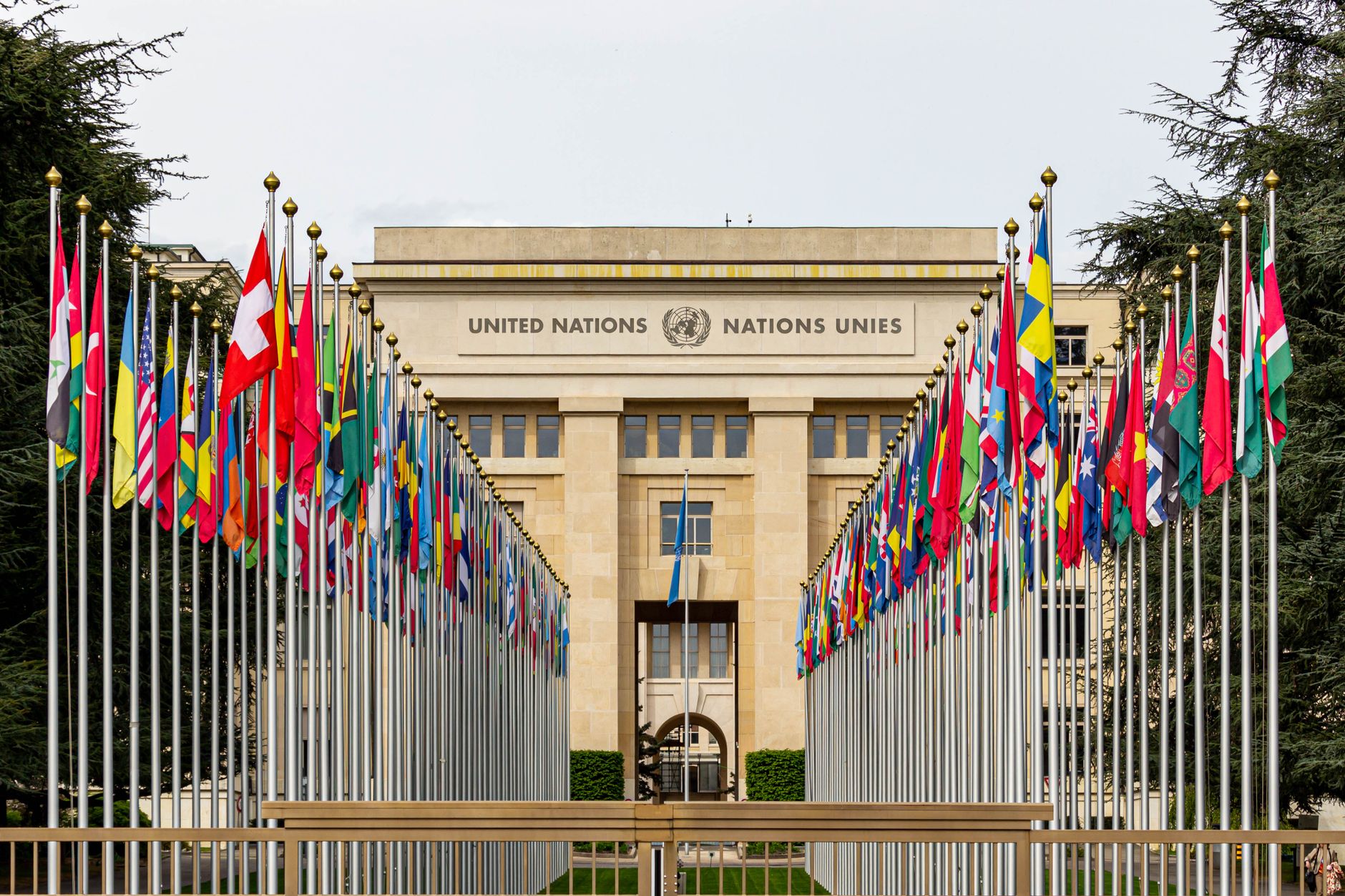
India multilateralism is a significant aspect of its foreign policy, emphasizing collaboration while not waiting for global consensus. Finance Minister Nirmala Sitharaman highlights this stance amid evolving international dynamics.
Understanding India’s Multilateralism
India’s approach to multilateralism is rooted in its belief in collective action and global cooperation. As emphasized by Finance Minister Nirmala Sitharaman, India actively supports multilateral frameworks while simultaneously pursuing its national interests. This dual approach allows India to engage with various international platforms, addressing global challenges while ensuring its voice is heard.
Key aspects of India’s multilateralism include:
- Inclusive Dialogue: India advocates for diverse participation in discussions, ensuring that all nations, regardless of size or economic power, have a stake in decision-making.
- Development Focus: India’s multilateral engagements often emphasize sustainable development, promoting initiatives that benefit emerging economies and developing nations.
- Global Security: India seeks to play a pivotal role in addressing security concerns, collaborating with other nations to combat terrorism and promote peace.
Through these efforts, India aims to shape a multilateralism that reflects its values and priorities, fostering a cooperative global environment.
Nirmala Sitharaman’s Perspective
Nirmala Sitharaman, India’s Finance Minister, recently articulated her views on the country’s approach to multilateralism. She emphasized that while India firmly believes in the principles of multilateral cooperation, it does not intend to wait for global consensus before taking action. According to her, the evolving geopolitical landscape necessitates proactive measures that align with India’s national interests.
During a recent forum, Sitharaman outlined key aspects of India’s multilateralism:
- Proactive Engagement: India seeks to engage with various international platforms, ensuring its voice is heard in global discussions.
- National Priorities: The country prioritizes its economic and strategic needs, adapting its multilateral strategies accordingly.
- Collaborative Solutions: India encourages collaborative approaches to tackle global challenges such as climate change and economic instability.
Through this balanced approach, Nirmala Sitharaman reaffirmed India’s commitment to multilateralism while also recognizing the importance of individual agency in a rapidly changing world.
The Importance of Global Cooperation
In an increasingly interconnected world, the importance of global cooperation cannot be overstated. Nations face challenges that transcend borders, such as climate change, public health crises, and economic disparities. Effective multilateralism offers a framework for addressing these issues collectively, fostering dialogue and collaboration among countries.
India’s commitment to multilateralism highlights its recognition of shared responsibilities in addressing global concerns. By engaging with various international platforms, India advocates for inclusive decision-making processes that consider the perspectives of developing nations. This approach not only strengthens international relations but also ensures that diverse voices are heard in shaping global policies.
- Strengthening Alliances: Multilateralism promotes partnerships that can lead to innovative solutions.
- Enhancing Security: Collaborative efforts are crucial in tackling transnational threats.
- Promoting Sustainable Development: Collective actions can drive progress towards achieving global goals.
Ultimately, India’s multilateralism is a key strategy for fostering a more equitable and cooperative international community.
Challenges to Multilateralism Today
Despite its strong commitment to multilateralism, India faces several challenges in the current global landscape. These obstacles not only test the resilience of India’s approach but also highlight the complexities involved in achieving effective international cooperation.
Some of the key challenges to multilateralism today include:
- Geopolitical Tensions: Rising nationalism and bilateral conflicts can undermine collective efforts, making it difficult for countries to unite.
- Economic Disparities: Differences in economic power among nations often lead to unequal representation and decision-making in multilateral forums.
- Environmental Crises: Climate change and other global challenges require urgent cooperation, yet differing priorities can hinder progress.
- Technological Divide: Disparities in technology access further complicate collaborative efforts, especially in addressing global issues.
In this context, India’s approach to multilateralism is not only significant but essential for fostering a cooperative global environment that addresses these pressing challenges.
Future of India’s Foreign Policy
As the world undergoes significant geopolitical shifts, the future of India’s foreign policy is poised to embrace a multifaceted approach that emphasizes multilateralism. India recognizes that effective global cooperation is essential to address pressing issues such as climate change, security, and economic stability.
In this context, India’s strategy will likely include:
- Engaging with diverse stakeholders: India aims to strengthen relationships with various countries and international organizations to enhance collaborative efforts.
- Promoting regional partnerships: By fostering ties within its neighborhood and beyond, India seeks to enhance regional stability and economic growth.
- Adapting to global challenges: India’s foreign policy will remain flexible to address emerging global challenges, ensuring it is not solely reliant on traditional multilateral frameworks.
Ultimately, India’s commitment to multilateralism reflects its understanding of the interconnected nature of global issues, positioning the nation as a proactive player in international diplomacy.
India multilateralism emphasizes the importance of collaborative efforts in addressing global challenges such as climate change and economic inequality. By championing India multilateralism, the nation seeks to foster inclusive dialogue and cooperation among diverse countries.
Photo by Hugo Magalhaes on Pexels

One thought on “India Multilateralism: The Right Approach for Global Cooperation”