
Atlantic hurricane Isaias has strengthened to become the first hurricane of the 2026 season, raising concerns about its potential impact on coastal regions.
What to expect from Atlantic hurricane Isaias
As residents along the East Coast prepare for the arrival of Atlantic hurricane Isaias, meteorologists are closely monitoring the storm’s trajectory and intensity. The National Hurricane Center has reported that Isaias has strengthened significantly, making it the first Atlantic hurricane of the 2026 season. This early formation raises concerns about its potential impact and the overall severity of the hurricane season ahead.
Experts predict that Isaias could bring a variety of weather conditions, including:
- Heavy rainfall: Widespread downpours are expected, which may lead to flooding in low-lying areas.
- Strong winds: Sustained winds may reach hurricane force, causing power outages and uprooting trees.
- Storm surges: Coastal regions should be prepared for elevated water levels that could threaten homes and infrastructure.
Residents are advised to stay informed about the latest forecasts and to prepare emergency kits in case of evacuation orders. While it is still early to determine the full impact of Atlantic hurricane Isaias, officials are urging everyone to take the storm seriously.
How does Isaias compare to past hurricanes?
The Atlantic hurricane Isaias has drawn comparisons to several past storms, raising questions about its potential impact. Historically, hurricanes are evaluated based on their intensity, wind speed, and damage caused. Isaias, having rapidly intensified, has winds reaching up to 90 mph, placing it in the same category as notable storms like Hurricane Harvey in 2017.
Experts are closely monitoring Isaias, highlighting key factors:
- Wind Speed: Isaias’s peak winds are significant, comparable to hurricanes that have caused extensive destruction.
- Storm Surge: The potential for flooding from storm surges is a concern, as seen with Hurricane Sandy.
- Rainfall: Heavy rainfall accompanying Isaias could lead to flash floods, reminiscent of Hurricane Florence.
While it is still early to determine Isaias’s ultimate impact, meteorologists emphasize the importance of preparedness. The comparison to past hurricanes serves as a reminder of the unpredictability and power of these storms, urging communities to remain vigilant as the situation develops.
Impact of Atlantic hurricane Isaias on coastal areas
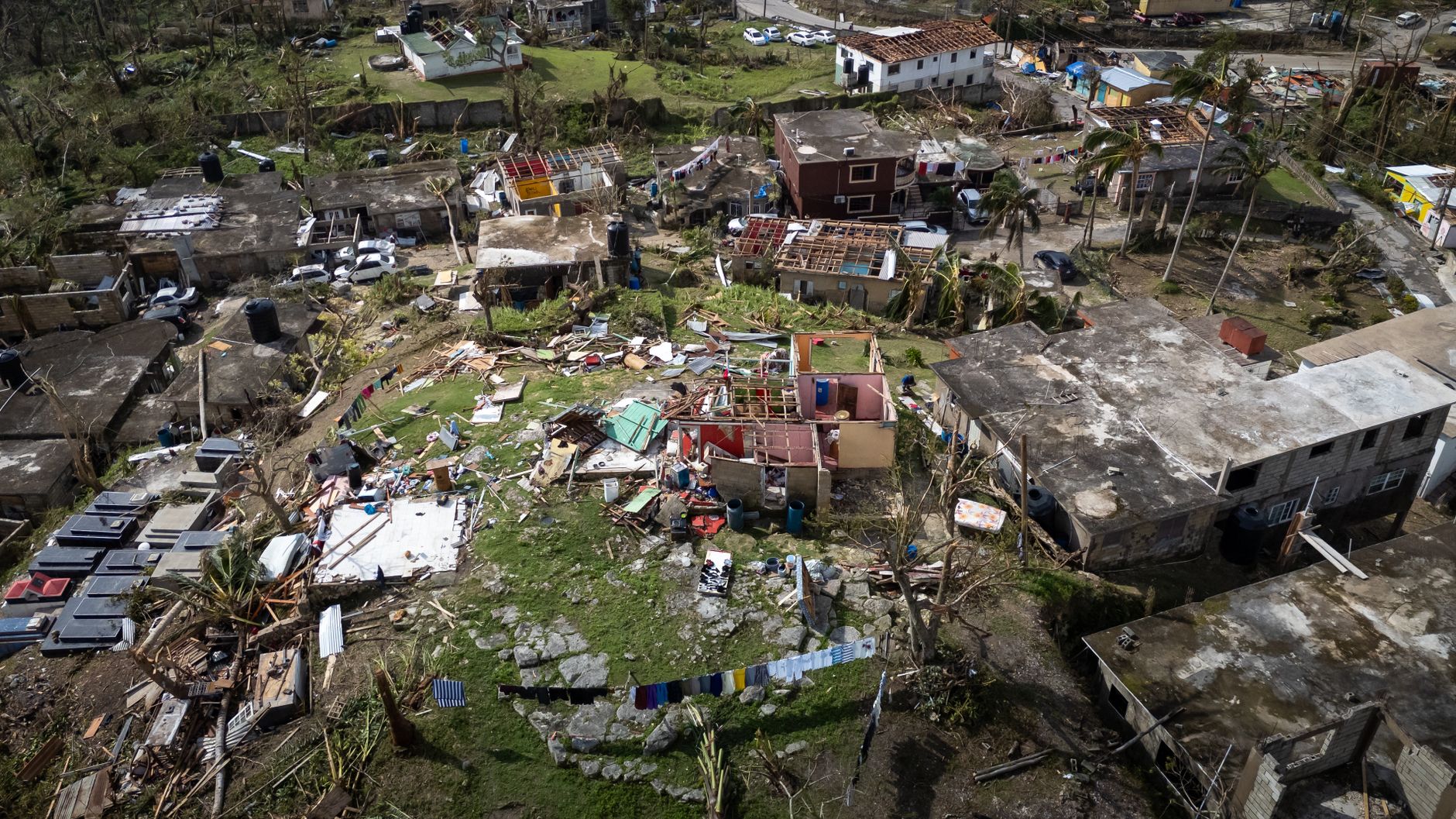
The impact of Atlantic hurricane Isaias on coastal areas has been significant, raising concerns among residents and officials alike. As the storm made its way along the eastern seaboard, it brought with it a range of destructive effects that communities are still assessing.
Reports indicate that the hurricane caused severe flooding in low-lying regions, leading to road closures and evacuations. Many homes experienced power outages due to downed trees and power lines, with thousands left without electricity for extended periods.
Emergency services have been deployed to assist those affected, while local governments are urging residents to stay vigilant as recovery efforts begin. The following areas were notably impacted:
- Florida: Coastal flooding and beach erosion were reported.
- North Carolina: Heavy rain led to flash flooding in several communities.
- New Jersey: Wind damage resulted in widespread power outages.
As the aftermath of Atlantic hurricane Isaias unfolds, many are left wondering how these damages will affect the overall recovery and resilience of coastal areas in future storms.
Safety measures during hurricane season
As the Atlantic hurricane Isaias approaches, residents in affected areas are urged to take necessary safety measures to protect themselves and their property. Preparation is key during hurricane season, and being proactive can make all the difference.
Here are some essential safety measures to consider:
- Stay Informed: Keep up with the latest weather updates and forecasts from reliable sources.
- Emergency Kit: Prepare an emergency kit that includes food, water, medications, flashlights, batteries, and first-aid supplies.
- Secure Property: Ensure that windows and doors are reinforced. Remove any outdoor items that could become projectiles in strong winds.
- Evacuation Plan: Familiarize yourself with local evacuation routes and have a plan in place for your family and pets.
- Communication: Establish a communication plan with family members and friends to stay connected during the storm.
By following these safety measures, individuals can better prepare for the impact of Atlantic hurricane Isaias and minimize risks associated with severe weather events.
Understanding hurricane categories and ratings
Understanding the categorization of hurricanes is essential for grasping the potential impact of storms like the Atlantic hurricane Isaias. Hurricanes are classified on a scale from 1 to 5 using the Saffir-Simpson Hurricane Wind Scale, which assesses their sustained wind speeds and potential damage.
The categories are defined as follows:
- Category 1: Winds of 74-95 mph, causing minimal damage to structures and trees.
- Category 2: Winds of 96-110 mph, resulting in moderate damage, especially to roofs and mobile homes.
- Category 3: Winds of 111-129 mph, leading to significant damage, with the potential for loss of electricity and water.
- Category 4: Winds of 130-156 mph, causing catastrophic damage and severe structural damage to residential areas.
- Category 5: Winds exceeding 157 mph, resulting in total destruction of well-built homes and major infrastructure.
As forecasters track the Atlantic hurricane Isaias, understanding these categories helps communities prepare for the storm’s potential severity and the risks involved.
Photo by SpaceX on Pexels
2 thoughts on “Atlantic hurricane Isaias: Is it the worst storm yet?”