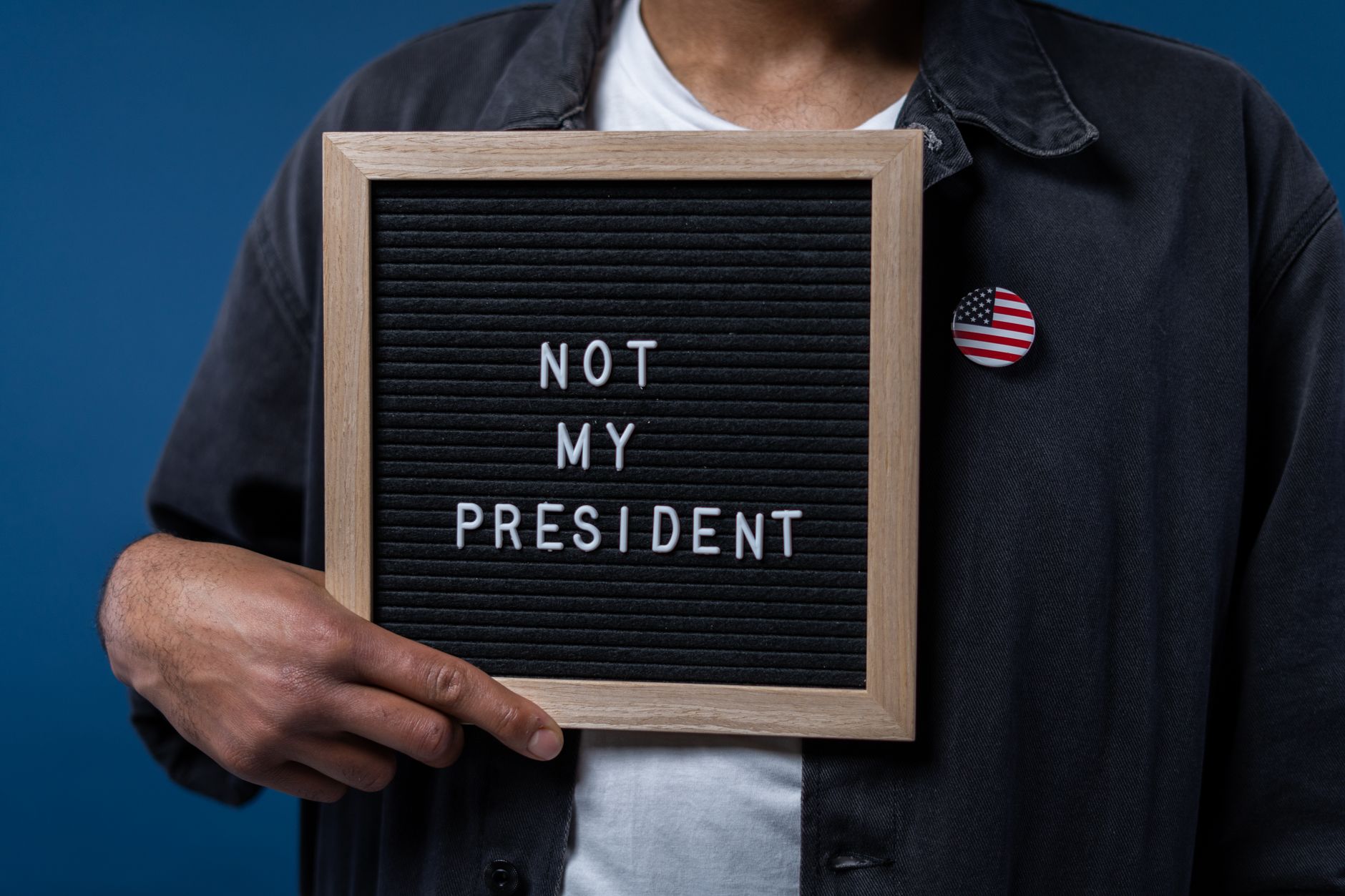
Election Commission dissent has become a hot topic as CJP teases a press meet in Delhi regarding recent controversies. This event promises to shed light on significant issues.
CJP’s Teasing Remarks Explained
The recent remarks made by the Chief Justice of Pakistan (CJP) during a press meeting in Delhi have sparked significant discussion surrounding the ongoing Election Commission dissent. CJP’s comments, characterized by a teasing tone, were directed at the media, specifically addressing a journalist named Gyanesh. His playful statement, “Gyanesh, it’s done bro,” seemed to allude to the conclusions drawn from the controversial Election Commission dissent.
Many observers interpreted the CJP’s remarks as a light-hearted jab, yet they carry deeper implications within the current political climate. The context of the Election Commission dissent is critical, given its potential impact on the electoral processes and governance in Pakistan. The CJP’s comments may suggest a level of confidence in the judiciary’s stance amidst the ongoing disputes.
Furthermore, this interaction highlights the relationship between the judiciary and the media, illustrating how judicial figures navigate public perceptions. The playful nature of the CJP’s remarks raises questions about the balance of seriousness and levity when addressing such significant issues.
As the Election Commission dissent continues to unfold, the CJP’s statements will likely be scrutinized for insights into the judiciary’s position on electoral integrity. Observers are keenly watching how these dynamics will play out in the lead-up to the elections.
The Context of Election Commission Dissent
The recent remarks made by the Chief Justice of Pakistan (CJP) regarding the Election Commission dissent have sparked significant discussions in the political arena. Understanding the context behind these comments is crucial for grasping the current state of electoral governance in the country.
The tension surrounding the Election Commission has been building for some time, primarily due to concerns over its independence and decision-making processes. In recent months, various political parties have expressed their dissatisfaction with the Commission’s actions, leading to a divide among stakeholders.
During a press meeting in Delhi, the CJP’s teasing remarks about the Election Commission dissent reflected a broader sentiment of frustration among the judiciary regarding the electoral body’s performance. Specifically, his comments seemed to suggest that the judiciary is closely monitoring the Commission’s effectiveness in ensuring fair elections.
Key factors contributing to this dissent include:
- Lack of transparency in the Commission’s operations, which has led to accusations of bias.
- Delayed electoral processes that have raised questions about the Commission’s efficiency.
- Political interference that undermines the Commission’s authority.
As the nation approaches the upcoming elections, the implications of the Election Commission dissent will likely resonate throughout the political landscape, demanding urgent attention from all involved parties.
Implications for Delhi’s Political Landscape
The recent remarks by the Chief Justice of the Supreme Court (CJP) regarding the Election Commission dissent have sent ripples through Delhi’s political landscape. As political parties scramble to respond, the implications of the CJP’s comments are becoming increasingly clear.
First and foremost, the tension between the judiciary and the Election Commission raises questions about the independence of electoral processes in the capital. The CJP’s teasing tone during the press meet indicates a level of frustration that could lead to heightened scrutiny of how elections are managed in Delhi. This could put pressure on the Election Commission to clarify its stance and actions, especially in light of ongoing controversies surrounding its decisions.
Moreover, this dissent within the Election Commission may embolden opposition parties to challenge the ruling party more aggressively. With the threat of judicial oversight looming, the ruling party may find it difficult to maintain its narrative and control over the electoral discourse.
The implications extend beyond immediate electoral strategies; they could redefine alliances and oppositions within the political arena. Political leaders may need to reassess their approaches as the fallout from the Election Commission dissent continues to unfold. In this volatile environment, every statement and decision will be scrutinized, making for an unpredictable political atmosphere in Delhi.
Public Reaction to CJP’s Comments
Public reaction to the Chief Justice of Pakistan (CJP)’s recent comments regarding the Election Commission dissent has been swift and varied. Many citizens took to social media platforms to express their views, highlighting the significance of the remarks in the broader context of political stability in the capital.
Some users praised the CJP for addressing the issue candidly, suggesting that his lighthearted teasing may help to diffuse tension surrounding the ongoing dissent within the Election Commission. Supporters argued that humor can play a crucial role in politics, making serious discussions more approachable.
On the other hand, critics raised concerns about the appropriateness of the remarks, questioning whether such teasing was fitting given the gravity of the situation. They emphasized that Election Commission dissent is a serious matter that requires thoughtful discourse rather than levity.
Furthermore, several political analysts chimed in, noting that the CJP’s comments could affect public perception of the judiciary’s stance on electoral integrity. Many believe that the remarks may influence voter sentiment as the country approaches crucial elections.
- Positive Reactions: Support for the CJP’s light-hearted approach.
- Critical Voices: Concerns over the tone of the comments.
- Analysts’ Views: Potential impact on public perception and electoral outcomes.
In summary, the CJP’s remarks regarding Election Commission dissent have sparked a lively debate among citizens, reflecting the diverse perspectives on this pivotal issue.
Understanding the Role of the Election Commission
The Election Commission plays a critical role in ensuring free and fair elections in any democratic setup. In the context of the recent Election Commission dissent, it becomes essential to understand its functions and responsibilities.
Primarily, the Election Commission is tasked with overseeing the electoral process, which includes:
- Voter Registration: Ensuring that all eligible citizens can register to vote, thereby promoting inclusivity.
- Conducting Elections: Organizing and managing the electoral process, from the announcement of dates to the counting of votes.
- Enforcing Election Laws: Monitoring compliance with electoral laws and regulations to maintain the integrity of the process.
- Addressing Complaints: Handling grievances related to electoral malpractices to ensure that all parties adhere to rules.
- Educating Voters: Implementing initiatives to inform citizens about their rights and the voting process, encouraging higher participation.
In light of the recent remarks made by the Chief Justice of the Pakistan (CJP), concerns have emerged regarding the autonomy of the Election Commission. The dissent within the commission could lead to questions about its effectiveness in fulfilling these vital responsibilities. As political tensions rise, understanding the implications of this dissent is crucial for voters and political stakeholders alike.
What This Means for Future Elections
The recent remarks from the Chief Justice of Pakistan (CJP) regarding the Election Commission dissent have sparked significant conversations about the future of elections in the country. As the political landscape continues to shift, these comments signal potential changes in how electoral processes are managed and overseen.
Firstly, the CJP’s teasing remarks indicate a growing concern over the integrity and transparency of the Election Commission. This dissent within the commission could lead to calls for reforms aimed at enhancing accountability and public trust. It suggests that the judiciary may be taking a more active role in overseeing electoral fairness, which could fundamentally alter the relationship between the judiciary and the executive in Pakistan.
Moreover, the implications of this dissent extend beyond the commission itself. Political parties might need to reevaluate their strategies in light of increased scrutiny. The likelihood of judicial intervention in electoral disputes could lead to a more contentious political environment, particularly in the lead-up to elections.
Furthermore, if the Election Commission faces continued dissent and challenges, it could undermine the electoral process, leading to disputes that might escalate into larger political crises. Stakeholders, including voters, civil society, and political entities, must remain vigilant as these developments unfold.
In summary, the Election Commission dissent, highlighted by the CJP’s remarks, presents both challenges and opportunities for future elections, shaping the democratic landscape in Pakistan.
Analysis of Political Tensions
The recent remarks made by the Chief Justice of the Philippines (CJP) during a press meet have exacerbated existing political tensions surrounding the Election Commission dissent. These comments were not merely light-hearted teasing; they serve as a reflection of deeper issues within the electoral framework and the judiciary’s relationship with political entities.
As the CJP jokingly addressed members of the press, the underlying message seemed to suggest a lack of confidence in the current electoral oversight. Observers have noted that such banter may unintentionally undermine the public’s trust in the Election Commission, raising questions about its independence and effectiveness.
The political landscape in Delhi has been particularly volatile, with various parties leveraging this situation for their own agendas. The implications of the CJP’s remarks extend beyond mere humor, as they open up discussions about the integrity of electoral processes. Analysts highlight that this dissent from the Election Commission could lead to significant ramifications for upcoming elections.
Moreover, public sentiment appears to be shifting. Citizens are increasingly concerned about the transparency and fairness of electoral practices. Some argue that the judiciary and executive branches must collaborate more effectively to uphold democratic principles. In this context, the Election Commission dissent takes on added significance, signaling potential challenges ahead for maintaining a fair electoral environment.
Key Takeaways from the Press Meet
In the recent press meet addressing the Election Commission dissent, several key points emerged that highlight the ongoing tensions surrounding the issue. Below are the main takeaways:
- CJP’s Teasing Tone: The Chief Justice of Pakistan (CJP) utilized a teasing tone while addressing the Election Commission dissent, suggesting a lighter approach to a serious matter.
- Clarification on Responsibilities: The CJP emphasized the importance of the Election Commission’s role in maintaining electoral integrity, urging all stakeholders to respect its decisions.
- Judicial Independence: He reaffirmed the judiciary’s commitment to remaining independent and impartial, indicating that judicial intervention may be necessary if the dissent escalates.
- Political Reactions: Various political parties reacted to the CJP’s remarks, with some expressing support for the Election Commission, while others questioned its effectiveness.
- Future Implications: The CJP hinted that the current dissent could have far-reaching implications for future elections, stressing the need for clarity and cooperation among political entities.
- Public Sentiment: The press meet revealed a divide in public opinion, with many citizens eager for transparent electoral processes amidst the ongoing dissent.
Overall, the CJP’s interaction during the press meet provided clear insights into the complex dynamics of the Election Commission dissent and its potential impact on Delhi’s political landscape.
Photo by cottonbro studio on Pexels
Read the original
Related reading
M3M Hurun India Rich List: Best Proven Rankings for 2026 · NYT Strands Puzzle Answers: Quick Tips for September 23 · IIT Faculty SC/ST Charges: The Right Legal Action Explained



2 thoughts on “Election Commission dissent: Clear insights on CJP’s remarks”