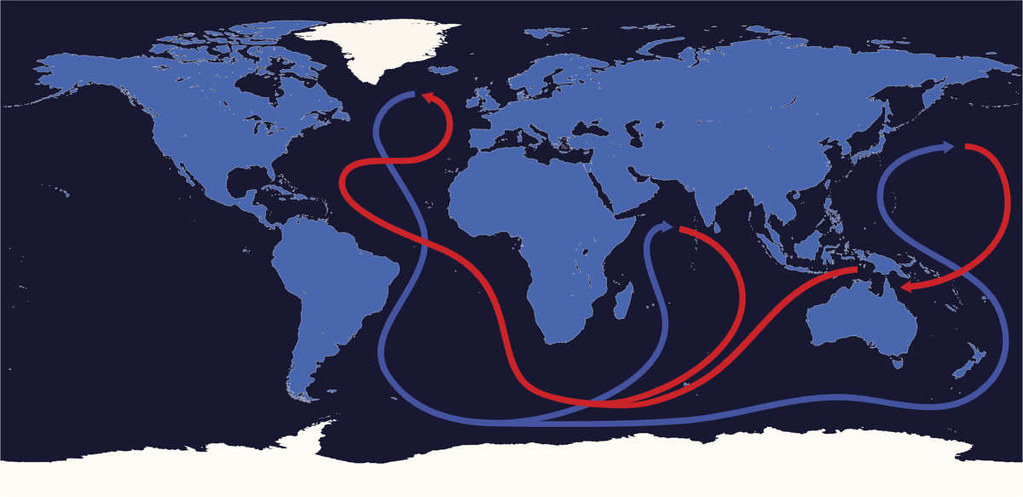
Asia South America monsoon patterns have been uncovered through ancient stalagmites, offering new insights into climate changes over the past 450,000 years.
Understanding Monsoon Dynamics
The Asia South America monsoon plays a crucial role in the climate dynamics of both regions. Understanding the interactions between these monsoons unveils significant insights into their impact on global weather patterns. The monsoon system is characterized by a seasonal shift in wind direction, leading to distinct wet and dry periods.
Research indicates that ancient stalagmites have provided valuable data on the historical behavior of these monsoon systems, revealing variations over the past 450,000 years. This evidence suggests that while the Asia South America monsoon typically operates in a seesaw pattern, there have been notable exceptions. Such findings highlight the complex interrelationships between climatic forces that govern precipitation and temperature fluctuations across continents.
These dynamics not only affect local ecosystems but also have broader implications for agricultural practices and water resources in both Asia and South America.
Ancient Climate Records
Ancient climate records provide critical insights into the complex relationship between the Asia South America monsoon and historical climate patterns. Recent studies of stalagmites have unveiled significant variations in monsoon activity over the past 450,000 years. These geological formations, which grow slowly over millennia, contain isotopic signatures that reflect past precipitation levels and atmospheric conditions.
The findings indicate that periods of intense monsoon activity in Asia were not always mirrored by corresponding changes in South America. This exception challenges previous assumptions about the monsoon seesaw effect, where one region’s wet conditions typically coincide with the other’s drought. Researchers emphasize the importance of understanding these ancient climate records to better predict future climate trends and the potential impacts of ongoing climate change.
- Stalagmites: Natural records of climate change.
- Isotopic signatures: Indicators of past precipitation.
- Monsoon seesaw: Traditional understanding of regional climate interactions.
Asia South America Monsoon Insights
The Asia South America monsoon has garnered significant attention due to its profound impacts on climate patterns across both regions. Recent studies indicate that this monsoon system plays a crucial role in regulating precipitation and temperature fluctuations.
Researchers have utilized ancient stalagmites to unveil historical data, suggesting that the monsoon’s effects may have varied considerably over the past 450,000 years. This evidence highlights the complex interactions between climate forces.
Key insights into the Asia South America monsoon include:
- Variability: Shifts in monsoon intensity can lead to extreme weather events.
- Interconnectedness: Climate changes in one region can significantly influence conditions in the other.
- Long-term Trends: Historical patterns provide essential context for understanding future climate scenarios.
These findings underscore the importance of ongoing research in deciphering the intricacies of global climate systems.
The Role of Stalagmites in Climate Research
Stalagmites, formations found in caves, play a crucial role in climate research, particularly regarding the Asia South America monsoon. These mineral deposits accumulate over thousands of years and capture information about past environmental conditions. By analyzing isotopes within stalagmites, scientists can reconstruct historical climate patterns and understand monsoon dynamics.
Recent studies have shown that stalagmites can provide insights into the interactions between the Asian and South American monsoons, revealing exceptions to the expected climatic trends. For instance, variations in stalagmite growth rates indicate shifts in precipitation patterns and temperature changes over the past 450,000 years.
This data is vital for comprehending how these two regions’ monsoon systems influence one another. As climate change accelerates, understanding the role of stalagmites in climate research will help predict future monsoon behaviors and their potential impacts.
By Felton Davis via Openverse
Where this came from
You might also like
Ramayana Advance Booking: Proven Success Nears Rs 10 Crore · Is the Private Space Telescope a Smart Investment for Exoplanets? · Iran Oil Acquisition: The Right Way to Secure Resources
One thought on “Asia South America monsoon: Proven impacts on climate”