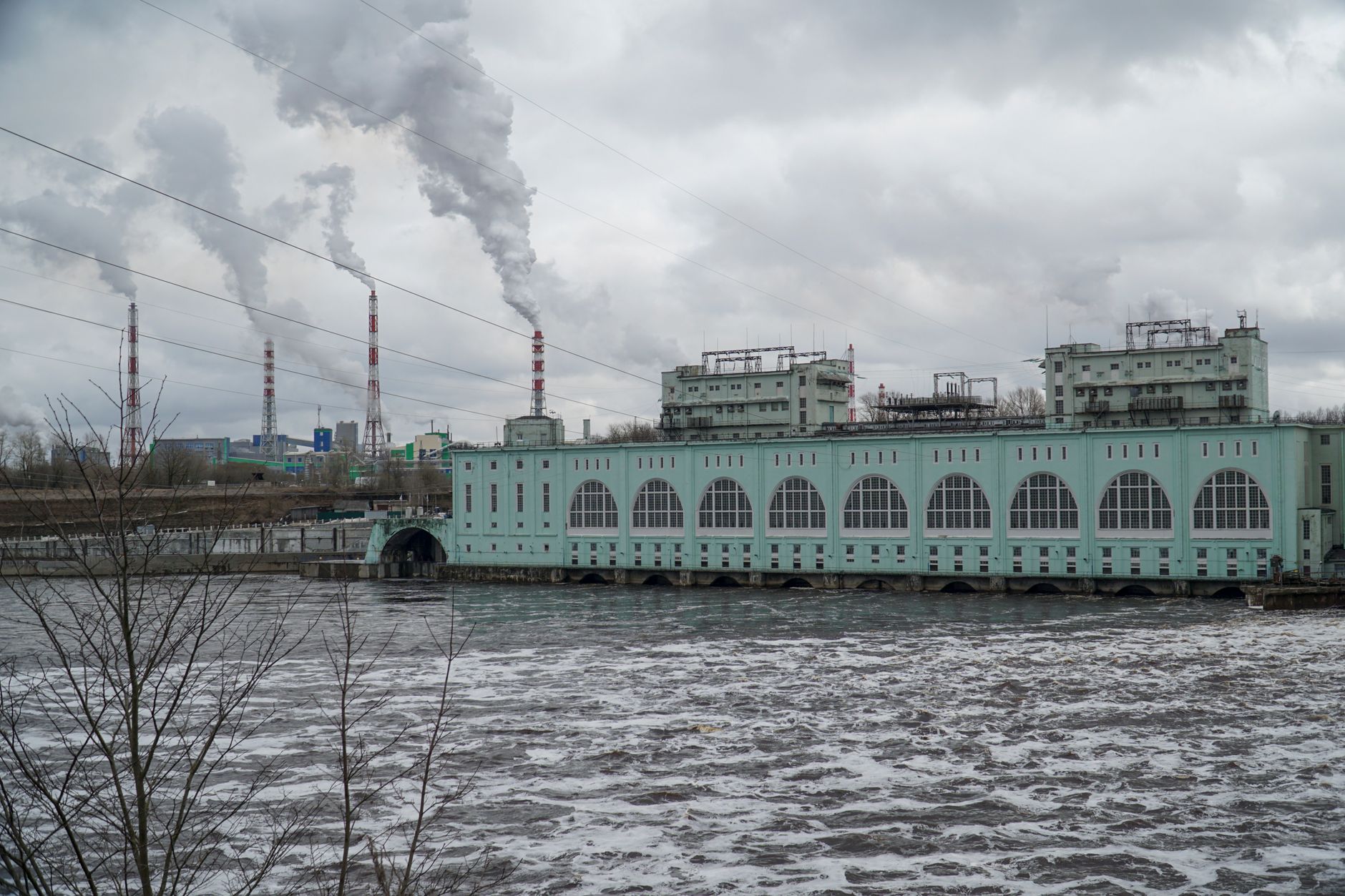
Russia energy targets have not been met in Ukraine for the first time since Trump’s truce, highlighting significant shifts in the conflict’s dynamics.
Background on Russia’s Energy Strategy
In recent years, Russia has faced significant challenges in achieving its energy targets, particularly in the context of the ongoing conflict in Ukraine. The backdrop of this situation is marked by a complex interplay of geopolitical tensions and economic pressures that have severely impacted Russia’s energy strategy.
Historically, energy exports have been a cornerstone of Russia’s economy, providing a substantial portion of its revenue. However, the current situation has led to a notable shift. For the first time since the so-called ‘truce’ during Donald Trump’s presidency, Russia has failed to meet any of its energy targets in Ukraine.
This failure can be attributed to various factors, including:
- Sanctions: International sanctions have significantly hampered Russia’s ability to invest in and maintain its energy infrastructure.
- Market Volatility: Fluctuations in global energy prices have further complicated Russia’s economic landscape.
- Strategic Miscalculations: Poor planning and execution have led to missed opportunities in energy production and export.
These elements underscore the difficulties facing Russia as it navigates its energy ambitions amid a challenging geopolitical environment.
Impact of Trump’s Truce on Ukraine
The impact of Trump’s truce on Ukraine has been significant, particularly in relation to Russia’s energy targets. The agreement, aimed at reducing tensions, inadvertently altered the energy landscape in the region. For the first time since the truce, Russia has failed to meet any of its energy targets in Ukraine, raising concerns about the stability of its energy strategy.
Several factors contributed to this unprecedented situation:
- Increased sanctions: Ongoing sanctions from Western nations have crippled Russia’s ability to export energy resources.
- Operational disruptions: The conflict has led to operational challenges, causing delays and reducing output levels.
- Shifts in demand: The global energy market has seen a shift in demand, with countries seeking alternative suppliers.
The failure to meet energy targets not only affects Russia’s economy but also has broader implications for global energy security and the geopolitical landscape.
Analysis of Recent Military Developments
The recent failure of Russia to meet its energy targets in Ukraine marks a significant turning point in the ongoing conflict. This is the first time since Trump’s “truce” that Russia has not successfully achieved its energy objectives, raising concerns about the effectiveness of its military strategy.
Several factors have contributed to this unprecedented situation:
- Increased Ukrainian Resistance: Ukrainian forces have stepped up their efforts, employing innovative tactics that hinder Russian advances.
- International Sanctions: Ongoing sanctions have severely limited Russia’s access to essential resources and technology necessary for energy production.
- Logistical Challenges: The complexities of maintaining supply lines amidst active conflict zones have created hurdles for Russian operations.
As these developments unfold, the implications for Russia’s energy targets and overall military strategy remain uncertain. Analysts suggest that this could lead to a reevaluation of Russia’s approach in the region, especially as it struggles to maintain its energy dominance.
Global Reactions to Russia’s Energy Failures
Global reactions to Russia’s energy failures have been swift and varied, reflecting concerns about the country’s ability to meet its energy targets amid ongoing geopolitical tensions. Analysts suggest that this unprecedented miss in energy goals signals a significant shift in the balance of power in the region.
Many Western leaders have voiced their skepticism regarding Russia’s long-term energy strategy. European Union officials have expressed relief, viewing the failure as an opportunity to reduce reliance on Russian energy resources, while also emphasizing the need for diversification.
In contrast, Russian officials have downplayed the significance of these missed targets, attributing them to external pressures and sanctions. This stance has drawn criticism from both domestic and international observers who argue that such denials reflect a lack of accountability.
Furthermore, energy experts warn that continued failures could exacerbate economic instability within Russia, potentially leading to broader implications for global energy markets.
- Increased calls for alternative energy sources.
- Heightened scrutiny on Russia’s future energy policies.
Future Implications for Ukraine
The failure of Russia to meet its energy targets in Ukraine marks a significant turning point in the ongoing conflict and poses serious implications for both regional stability and international relations.
Analysts are concerned that this unprecedented miss could embolden Ukraine and its allies, leading to a more aggressive stance against Russian aggression. Key points to consider include:
- Increased Ukrainian Resilience: With Russia’s energy strategy failing, Ukraine may gain confidence to push forward in reclaiming territories.
- Shift in Global Energy Dynamics: Other nations may reassess their energy dependencies on Russia, potentially leading to a long-term shift in energy markets.
- Western Support: A perceived weakness in Russia’s energy capabilities could catalyze increased military and economic support from Western powers to Ukraine.
Ultimately, the consequences of Russia’s unmet energy targets are likely to reverberate far beyond the battlefield, creating a complex web of geopolitical challenges that will shape future interactions in the region.
What This Means for International Relations
The failure of Russia to meet its energy targets marks a significant turning point in international relations, particularly concerning its dealings with Ukraine and the West. For the first time since Trump’s truce, this shortfall could exacerbate tensions and reshape diplomatic strategies.
Analysts suggest that this energy failure might lead to a reevaluation of alliances and a push for more stringent sanctions against Russia. The inability to fulfill energy commitments not only undermines Russia’s economic stability but also affects its bargaining power on the global stage.
Key implications include:
- Increased Isolation: Countries may distance themselves from Russia, seeking alternative energy sources.
- Shift in Energy Policies: Nations may expedite their transition to renewable energy to reduce reliance on Russian supplies.
- Heightened Tensions: The West could increase military support for Ukraine, seeing this energy miss as a sign of weakness.
Overall, Russia’s energy targets are not merely economic indicators; they are pivotal in shaping the geopolitical landscape.
The recent analysis reveals that Russia energy targets have significantly fallen short of expectations, marking a troubling trend in the nation’s energy strategy. As global demand fluctuates, these missed Russia energy targets could have far-reaching implications for both the economy and international relations.
Photo by Irina Balashova on Pexels

2 thoughts on “Russia Energy Targets: The Worst Miss Since Trump’s Truce”