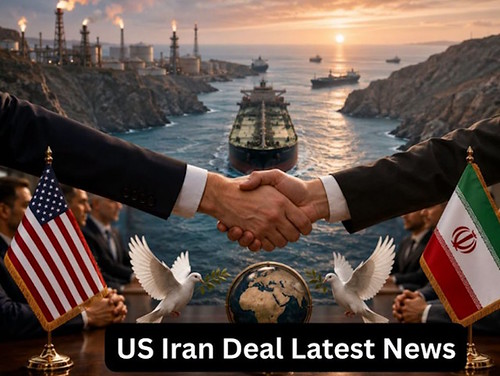
US Iran deal talks are underway, focusing on a phased approach to reopen the Strait of Hormuz and lift the US blockade. This development could reshape regional dynamics significantly.
Background of US Iran Relations
The relationship between the United States and Iran has been complex and often fraught with tension. Over the decades, key events have shaped this dynamic, leading to a series of diplomatic efforts aimed at establishing peace and stability in the region.
Historically, the US and Iran have had significant disagreements, particularly concerning Iran’s nuclear program and its influence in the Middle East. The 2015 nuclear deal, known as the Joint Comprehensive Plan of Action (JCPOA), was a pivotal moment in US-Iran relations, as it aimed to limit Iran’s nuclear capabilities in exchange for sanctions relief. However, the US withdrawal from the agreement in 2018 marked a significant setback, escalating hostilities and leading to increased sanctions.
Recently, discussions have renewed regarding a potential US Iran deal that could pave the way for a phased approach to reopening the Strait of Hormuz and addressing the US blockade. Such negotiations indicate a growing willingness on both sides to seek solutions that prioritize diplomatic engagement over confrontation.
As both nations navigate this intricate landscape, the prospect of a renewed US Iran deal could offer a path to a more stable and peaceful future in the region.
Current Status of the US Blockade
The current status of the US blockade on Iran remains a critical point of discussion in the ongoing negotiations surrounding the US Iran deal. As both nations explore potential pathways to improved relations, the blockade continues to impact not only diplomatic efforts but also the lives of ordinary citizens in Iran.
Sources indicate that the US and Iran are engaged in talks aimed at a phased deal that could lead to the reopening of the Strait of Hormuz and ultimately an end to the blockade. This would represent a significant step forward in alleviating tensions and fostering a more stable environment in the region.
Key aspects of the discussions include:
- Economic Relief: Easing sanctions could provide Iran with much-needed access to international markets.
- Security Guarantees: Both parties may seek assurances that their interests will be protected post-agreement.
- Regional Stability: A successful deal could contribute to a more peaceful and cooperative Middle East.
While challenges remain, the ongoing dialogue signals a potential shift in the US-Iran relationship, highlighting the importance of diplomacy in addressing longstanding conflicts.
Impact of Hormuz Reopening
The recent discussions regarding the reopening of the Strait of Hormuz could significantly impact the US Iran deal and the broader geopolitical landscape. This vital waterway is crucial for global oil shipments, and its reopening promises not only to ease tensions but also to foster economic stability in the region.
As negotiations progress, several key outcomes could emerge from a successful deal:
- Increased Economic Activity: Reopening Hormuz would likely lead to a surge in trade, benefiting both Iranian and global economies.
- Enhanced Security: A phased deal may contribute to reducing naval confrontations and fostering a safer maritime environment.
- Improved Diplomatic Relations: Successful negotiations could pave the way for more comprehensive dialogue between the US and Iran, potentially resolving longstanding issues.
The implications of reopening Hormuz extend beyond economic benefits. It could serve as a catalyst for a more stable Middle East, where diplomatic solutions take precedence over military engagement. As the US and Iran continue their discussions, the prospect of a renewed partnership appears more attainable, potentially redefining their relationship and enhancing regional peace.
Potential Economic Benefits
The potential economic benefits of a US Iran deal could be substantial for both nations and the wider region. As discussions progress toward a phased agreement, particularly regarding the reopening of the Strait of Hormuz, economic revitalization may become a reality.
For Iran, easing sanctions could lead to:
- Increased Oil Exports: With restrictions lifted, Iran could substantially increase its oil exports, generating much-needed revenue for its economy.
- Foreign Investment: A stable geopolitical climate may attract foreign investors, leading to new opportunities in various sectors including technology and infrastructure.
- Job Creation: Economic growth from increased trade and investment could result in new jobs, helping to alleviate unemployment in Iran.
Meanwhile, the United States could benefit from:
- Lower Oil Prices: A surge in Iranian oil exports might lead to a stabilization or decrease in global oil prices, benefiting consumers and businesses.
- Strengthened Alliances: Successfully negotiating the US Iran deal could enhance the United States’ standing in the region, fostering stronger alliances with other Gulf nations.
Achieving these potential economic benefits hinges on both nations’ commitment to the talks and a mutual willingness to compromise.
International Reactions to the Deal
International reactions to the recent US Iran deal have been mixed, reflecting a range of geopolitical interests and concerns. Many countries view the agreement as a pivotal step towards stability in the Middle East. European nations, notably France and Germany, have expressed cautious optimism, emphasizing the importance of dialogue and diplomacy in resolving longstanding tensions.
Conversely, some regional powers have voiced skepticism about the deal’s potential effectiveness. For instance, Israel has raised alarms, arguing that the deal may not adequately address Iran’s nuclear ambitions and regional influence. Officials in Jerusalem stress the need for stringent measures to prevent any military applications of Iran’s nuclear program.
Additionally, Arab states in the Gulf region have shown a mix of concern and hope. While they welcome the prospect of reduced hostilities, they worry about Iran’s potential to gain increased leverage in the region. Some analysts suggest that the deal could lead to a realignment of alliances, as countries reassess their positions in response to the evolving dynamics.
Ultimately, the success of the US Iran deal will depend on the commitment of all parties involved to adhere to its terms and work collaboratively towards lasting peace.
Key Players in the Negotiations
The negotiations surrounding the US Iran deal have seen significant involvement from various key players, each with their own interests and perspectives on achieving a peaceful resolution.
- United States: The U.S. government, led by its diplomatic team, is focused on ensuring that any agreement safeguards national security interests while promoting stability in the Middle East.
- Iran: Iran’s representatives are advocating for the lifting of sanctions and the restoration of economic stability, emphasizing their right to peaceful nuclear energy and regional influence.
- European Union: The EU plays a critical role as a mediator, attempting to facilitate discussions and maintain a balanced approach that addresses the concerns of both parties.
- Regional Partners: Countries like Saudi Arabia and Israel are closely monitoring the negotiations, voicing their apprehensions regarding Iran’s nuclear ambitions and potential military capabilities.
- UN Representatives: The United Nations is involved in observing the dialogue, aiming to ensure compliance with international laws and agreements throughout the negotiation process.
As these key players engage in discussions, the prospects of reaching a comprehensive US Iran deal appear to hinge on collaborative efforts and mutual concessions.
Timeline for Implementation
The timeline for the implementation of the US Iran deal has been a focal point in recent discussions among negotiators. According to sources, the phased approach will ensure a gradual easing of tensions while allowing both parties to verify compliance with the terms agreed upon.
Key milestones in the proposed timeline include:
- Initial Phase (Months 1-3): Establishing a framework for dialogue, with both nations agreeing to a preliminary cessation of hostilities and communication channels opening.
- Verification Stage (Months 4-6): Joint inspections and monitoring of nuclear facilities to ensure Iran adheres to its commitments under the deal.
- Economic Adjustments (Months 7-12): Gradual lifting of sanctions, focused on sectors that impact the Iranian economy, while observing compliance with the deal.
- Final Review (Year 2): A comprehensive evaluation of the deal’s impact on regional stability and economic restoration, followed by potential adjustments if necessary.
The successful execution of this timeline is seen as a clear path to proven peaceful solutions, reinforcing hopes for enhanced diplomatic relations between the US and Iran.
Challenges Ahead for US Iran Talks
As negotiations surrounding the US Iran deal progress, several challenges remain that could hinder the path to a finalized agreement. First, differing perceptions of security and trust continue to complicate discussions. Both nations have expressed concerns regarding the other’s commitment to uphold any terms established, which creates an atmosphere of skepticism.
Additionally, domestic political pressures play a significant role. In the US, lawmakers from both parties are divided over the implications of easing sanctions on Iran. This can potentially lead to a backlash against any agreement reached, particularly if it is perceived as too lenient. On the Iranian side, hardliners may resist concessions that they view as capitulations to Western demands.
Moreover, external influences cannot be overlooked. Regional allies of the US, particularly Israel and Saudi Arabia, have voiced their apprehensions regarding a potential deal, emphasizing the risk it poses to their national security. This geopolitical tension adds another layer of complexity to the negotiations.
Finally, logistical and technical challenges in implementing the deal, such as monitoring compliance and verifying commitments, must be addressed to ensure lasting peace and stability in the region.
The US Iran deal represents a significant step towards diplomatic engagement and conflict resolution in the region. By fostering dialogue and cooperation, the US Iran deal opens the door to proven peaceful solutions that can benefit both nations.
By Gia Thưởng via Openverse


2 thoughts on “US Iran deal: Clear Path to Proven Peaceful Solutions”